Library
Browse
Latest messages
283 messages
 10m
10mBobby McDonald - The Pursuit Of God And The Pursuit Of Godliness
Bobby McDonald · Jul 25
 21m
21mJeremy Utley - Guard Against The Two G's
Jeremy Utley · Jul 11
 16m
16mJeremy Utley - Preserving The Church As Precious
Jeremy Utley · Jul 5
 1h 12m
5. Holiness And Fellowship By Zac Poonen
Zac Poonen · Jun 27
 33m
33m3. Justification And Sanctification By Zac Poonen
Zac Poonen · Jun 26
 1h 3m
1h 3m1. Grace And Truth By Zac Poonen
Zac Poonen · Jun 25
 1h 23m
Revelation And The Way Of The Cross by Zac Poonen
Zac Poonen · Jun 13
 1h 13m
New Covenant - Doctrine or Life? - By Zac Poonen
Zac Poonen · Jun 6
 8m
8mBobby McDonald - Put Away All Anger
Bobby McDonald · Mar 30
 17m
17mJeremy Utley - Becoming A Weapon Of Righteousness
Jeremy Utley · Mar 21
 19m
19mBobby McDonald - Maximum Christians
Bobby McDonald · Mar 1
 22m
22mNCCF Church Sharing - 14th February 2016
NCCF Church · Feb 15
 17m
17mNCCF Church Sharing - 7th Feb 2016
NCCF Church · Feb 9
 8m
8mBobby McDonald - Do All Things To The Glory Of God
Bobby McDonald · Jan 31
 4m 20s
NCCF Church Sharing - January 31,2016
NCCF Church · Jan 31
 9m
9mNCCF Church Sharing - 03 Jan 2016
NCCF Church · Jan 7
 17m
17mBobby McDonald - From Glory to Glory
Bobby McDonald · Jan 2
 11m
11mNCCF Church Sharing - 27 Dec 2015
NCCF Church · Dec 29
 11m
11mJeremy Utley - Short Circuit The Sin Cycle
Jeremy Utley · Dec 21
 10m
10mBobby McDonald - Simple And Pure Devotion To Christ
Bobby McDonald · Dec 21
 13m
13mNCCF Church Sharing - 22 Nov 2015
NCCF Church · Nov 23
 8m
8mBobby McDonald - Fleeing from gossip
Bobby McDonald · Nov 23
 56m
56mZac Poonen - A Blameless Life
Zac Poonen · Sep 17
 18m
18mJeremy Utley - Full Consecration
Jeremy Utley · Sep 14
August 4 | Daily Devotion | The Mark Of New Covenant Blessing Is Not Wealth And Health | Zac Poonen
Zac Poonen · 11m · CFC Daily Devotions
True blessing under the New Covenant is not measured by material wealth and health, but by spiritual transformation and union with Christ. The mark of God's blessing is internal holiness and a clear vision of Christ, not external prosperity.
10mNCCF Church
Bobby McDonald - The Pursuit Of God And The Pursuit Of Godliness
Bobby McDonald · Jul 25, 2016 · 10m
The central message is that a genuine pursuit of God must be inseparable from a pursuit of godliness and Christlikeness. The speaker argues that one cannot truly know God while simultaneously living in sin, as God and sin cannot coexist. True relationship with God is found by denying oneself and aligning one's will with God's will, mirroring the selfless love found in deep human relationships.
21mNCCF Church
Jeremy Utley - Guard Against The Two G's
Jeremy Utley · Jul 11, 2016 · 21m
The central message is that growing in the fear of the Lord requires our affections to reflect God's, meaning we must hate evil, pride, and perverted speech. The speaker specifically warns against the 'two G's'—gossip and grumbling—as these are forms of perverted speech that distract from disciplined living. He urges listeners to guard their mouths by keeping their thoughts in their minds, contrasting this with the tendency to talk about others when there is nothing productive to do.
16mNCCF Church
Jeremy Utley - Preserving The Church As Precious
Jeremy Utley · Jul 5, 2016 · 16m
The central message is that true holiness cannot be achieved through individual sinlessness alone; it requires active fellowship within the local church. The speaker argues that focusing only on personal purity is a deception, drawing parallels to the biblical statement, 'It is not good for man to be alone,' which applies equally to the church. Together, believers are meant to be knitted together as a body, reflecting the manifold grace of God and becoming a worthy bride for Christ.
1h 12mNCCF Church
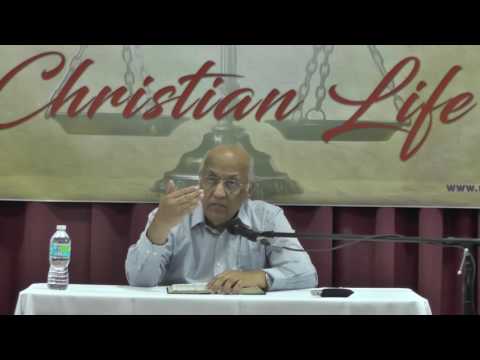
5. Holiness And Fellowship By Zac Poonen
Zac Poonen · Jun 27, 2016 · 1h 12m
The central message emphasizes that a balanced Christian life requires both loving God and loving one's neighbor, drawing parallels to the two commandments Jesus taught. True love is an attitude of the heart, not merely an action or service, and it must first be practiced within one's local fellowship. Furthermore, genuine love, like Christ's, involves being corrected and disciplined, which proves God's enduring love.
33mNCCF Church
3. Justification And Sanctification By Zac Poonen
Zac Poonen · Jun 26, 2016 · 33m
The speaker distinguishes between justification (being accepted by Christ) and sanctification (growth in holiness), using the analogy of a building's foundation and superstructure. While justification is a free gift of God's grace, sanctification requires actively living out good works. True Christian life demands radical repentance—a 180-degree turn from sin—and maintaining this commitment by discerning friendships that pull one toward Christ versus those that pull one back to the world.
1h 3mNCCF Church
1. Grace And Truth By Zac Poonen
Zac Poonen · Jun 25, 2016 · 1h 3m
The central message is that true Christian life involves reflecting Jesus's character through a perfect balance of grace and truth. The speaker argues that God cares less about mere statistics of conversion and more about the quality of the believer's life. Following Christ means daily dying to one's own will and choosing to do the will of God, which is a process of growth, not immediate perfection.
1h 23mNCCF Church
Revelation And The Way Of The Cross by Zac Poonen
Zac Poonen · Jun 13, 2016 · 1h 23m
The central message is the necessary balance between being justified by faith (the foundation) and living a life of holiness (the superstructure). While salvation is a free gift through faith in Christ, believers are called to actively pursue godliness through good works that God has specifically prepared for them. The speaker emphasizes that true Christian living means fulfilling God's unique plan for one's life, rather than following worldly standards or merely performing any good deed.
1h 13mNCCF Church
transcribingNew Covenant - Doctrine or Life? - By Zac Poonen
Zac Poonen · Jun 6, 2016 · 1h 13m
The central goal for Christians is to become an exact reflection of Jesus Christ. This transformation is achieved both individually through cultivating purity in one's personal life and corporately by functioning fully within the local church.
8mNCCF Church
transcribingBobby McDonald - Put Away All Anger
Bobby McDonald · Mar 30, 2016 · 8m
The goal for Christians is to become an exact reflection of Jesus Christ. This transformation happens both individually through personal purity and corporately by functioning fully within the local church.
17mNCCF Church
Jeremy Utley - Becoming A Weapon Of Righteousness
Jeremy Utley · Mar 21, 2016 · 17m
The central message is that Christians must intentionally choose to be weapons of righteousness in God's hand rather than allowing sin to make them weapons of unrighteousness. This requires a deep personal confrontation with one's own sin, prioritizing God's glory over anything else, and being willing to surrender even what is precious to oneself. The speaker uses biblical examples, like Job and King Saul, to illustrate this principle of total consecration to God.
19mNCCF Church
Bobby McDonald - Maximum Christians
Bobby McDonald · Mar 1, 2016 · 19m
The central message is the call to live as a 'maximum Christian,' meaning one's life revolves entirely around pleasing God rather than personal wants. The speaker contrasts this with the 'minimum Christian,' who only adheres to the bare minimum requirements or expects recognition for service. True discipleship involves freely choosing to be a slave to God, giving everything without expecting anything in return, exemplified by the attitude of Job.
22mNCCF Church
NCCF Church Sharing - 14th February 2016
CFC Messages · Feb 15, 2016 · 22m
The central message encourages Christians to reflect Jesus by growing in personal purity and functioning within the local church. The speaker emphasizes that enduring present trials and hardships are temporary when compared to the eternal glory awaiting believers with Christ. He urges listeners to align their lives perfectly with God's will before departing, drawing parallels to an airplane landing gracefully on a runway.
17mNCCF Church
NCCF Church Sharing - 7th Feb 2016
CFC Messages · Feb 9, 2016 · 17m
The speaker emphasizes that the goal of Christians is to reflect Jesus Christ by growing in personal purity and functioning corporately within the local church. Drawing parallels from scripture, the message stresses the need for constant spiritual focus, comparing worldly distractions to the wastefulness of excrement. Ultimately, the talk urges believers to maintain a sense of urgency regarding sin and God's grace, remembering that all people, including the speaker, are sinners in need of Christ's saving mercy.
8mNCCF Church
Bobby McDonald - Do All Things To The Glory Of God
Bobby McDonald · Jan 31, 2016 · 8m
The central message is that Christians should dedicate every aspect of their lives—both spiritual and secular—to the glory of God, following the principle of 1 Corinthians 10:31. This means seeking to live in God's will in every moment, whether working diligently, resting, or performing mundane tasks. By doing everything cheerfully and without complaint, believers can make every act a spiritual offering.
4m 20sNCCF Church
NCCF Church Sharing - January 31,2016
CFC Messages · Jan 31, 2016 · 4m 20s
The speaker reflects on the difference between seeing the Lord now and seeing Him face-to-face, drawing parallels between physical necessity and spiritual pursuit. He realized that just as his flesh compels him to work to survive, he desires his spiritual life to have a similar urgent drive to seek God and learn from Him. The central message is the need for a persistent, compelling desire to press toward spiritual perfection.
9mNCCF Church
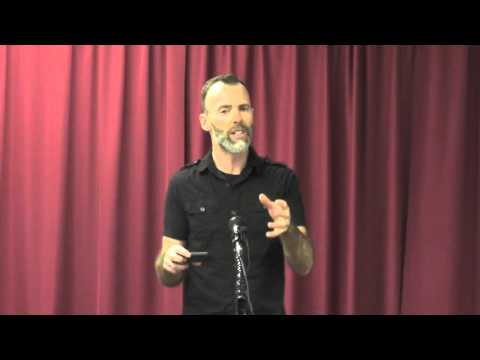
NCCF Church Sharing - 03 Jan 2016
CFC Messages · Jan 7, 2016 · 9m
The speaker emphasizes that the Christian goal is to reflect Jesus Christ, achieved both individually through purity and corporately within the local church. Key themes include building confidence in God's word rather than personal ability or circumstance, drawing strength from deep intimacy with God, and offering one's entire life—body, time, and effort—as a living sacrifice of worship. The message draws heavily on passages like Philippians 3:3 and Romans 12:1.
17mNCCF Church
Bobby McDonald - From Glory to Glory
Bobby McDonald · Jan 2, 2016 · 17m
The central message is that Christians are called to be an exact reflection of Jesus by growing in personal purity and functioning within the local church. The speaker emphasizes that spiritual growth is a continuous process, comparing it to being transformed from glory to glory through the Spirit. He warns against the temptation of nostalgia, which can lead one to believe life is declining, reminding listeners instead that God is always working to make things better.
11mNCCF Church
NCCF Church Sharing - 27 Dec 2015
CFC Messages · Dec 29, 2015 · 11m
The message emphasizes that the Christian life requires becoming an exact reflection of Jesus, achieved through personal purity and functioning within the local church. Key themes include living by mercy and grace, which requires the power of the Holy Spirit. The speaker also addresses the necessity of enduring suffering as a testimony and encourages maintaining an eternal perspective of faith.
11mNCCF Church
Jeremy Utley - Short Circuit The Sin Cycle
Jeremy Utley · Dec 21, 2015 · 11m
The sermon uses the example of Israel's tendency to reclaim what God has given, contrasting it with Joseph's initial success, to warn believers about complacency. The central message is the need for constant vigilance against the flesh's tendency to rebuild or reclaim areas surrendered to God, even after spiritual progress. The speaker emphasizes that sanctification is an ongoing process requiring diligence to guard against old habits regaining power.
10mNCCF Church
Bobby McDonald - Simple And Pure Devotion To Christ
Bobby McDonald · Dec 21, 2015 · 10m
The central message is that the Christian life requires making Jesus Christ everything—the sole focus of one's devotion. The speaker uses analogies, like a valuable coin, to illustrate that everything outside of Christ is worthless. True devotion means seeking to love God and obey Him with all one's heart, which involves casting off worldly attachments and even the smallest sins, as these actions suggest that Christ is not everything.
13mNCCF Church
NCCF Church Sharing - 22 Nov 2015
CFC Messages · Nov 23, 2015 · 13m
The speaker emphasizes that Christian life requires constant surrender to God, drawing parallels between the grain of wheat dying to bear fruit and giving up personal plans for God's will. He stresses that true devotion to Christ must supersede the desire to please people, echoing Paul's teaching on being foolish to the world. Ultimately, the message highlights the critical difference between merely knowing God's will and actively living it out, which is presented as the difference between life and death.
8mNCCF Church
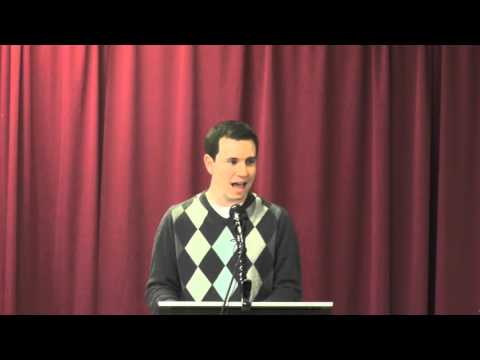
Bobby McDonald - Fleeing from gossip
Bobby McDonald · Nov 23, 2015 · 8m
The central message is to actively resist participating in gossip and tearing others down, drawing parallels between this behavior and the sin described in Proverbs 11. The speaker emphasizes that Christians should not join in conversations that mock or slander others, instead choosing to let their light shine through faithful conduct and careful speech. Ultimately, the focus is on maintaining purity in speech and refusing to align oneself with the world's negative patterns.
56mNCCF Church
Zac Poonen - A Blameless Life
Zac Poonen · Sep 17, 2015 · 56m
The central message is that Christian life must be characterized by loving God with one's entire being (heart, soul, mind) and loving one's neighbor as oneself. The speaker emphasizes that these two commandments form the foundation for navigating life's 'gray areas' and warns against legalism, whether in religious observance or in relationships. True love is proven not by sentimentality, but by practical obedience to God's commandments.
18mNCCF Church
Jeremy Utley - Full Consecration
Jeremy Utley · Sep 14, 2015 · 18m
The central message is the call to total consecration, urging believers to present their bodies as a living and holy sacrifice to God, as taught in Romans 12:1. The speaker emphasizes that true surrender means recognizing that one's time, money, and thoughts belong to God, not to personal default habits. He concludes that genuine surrender is actively choosing *not* to do one's own thing, but instead waiting expectantly for God's direction.