Library
Browse
Latest messages
141 messages
 25m
25mJeremy Utley - Ask God for Revelation
Jeremy Utley · Mar 5
 20m
20mJeremy Utley - There Is An Open Door. Should You Walk Through It?
Jeremy Utley · Feb 26
 15m
15mBobby McDonald - Our Greatest Prayer Is For God Himself
Bobby McDonald · Feb 20
 11m
11mBobby McDonald - God is so good
Bobby McDonald · Feb 12
 15m
15mJeremy Utley - Obedience And Expectation
Jeremy Utley · Jan 9
 18m
18mBobby McDonald - Don't Let Routine Replace Relationship
Bobby McDonald · Jan 9
 13m
13mBobby McDonald - Pray And Don't Doubt
Bobby McDonald · Dec 4
 29m
29mNCCF Church Sharing - November 26, 2017
NCCF Church · Nov 29
 4m 37s
NCCF Church Sharing - November 19, 2017
NCCF Church · Nov 21
 14m
14mJeremy Utley - The Danger Of Worry
Jeremy Utley · Nov 21
 16m
16mJeremy Utley - Don't Waste A Temptation
Jeremy Utley · Nov 13
 11m
11mNCCF Church Sharing - October 29, 2017
NCCF Church · Oct 30
 33m
33mNCCF Church Sharing - September 17, 2017
NCCF Church · Sep 19
 14m
14mBobby McDonald - Go To Jesus And Drink
Bobby McDonald · Sep 12
 1h 9m
1h 9mZac Poonen - Hold Fast To God's Hygienic Words
Zac Poonen · Jul 31
 4m 33s
NCCF Church Sharing - July 16, 2017
NCCF Church · Jul 20
 1h 3m
1h 3m3. Zac Poonen - General Q&A
Zac Poonen · May 27
 20m
20mBobby McDonald - Giving God Our Best
Bobby McDonald · Apr 26
 37m
37mBobby McDonald & Jeremy Utley - Prayer, Persistence And The Promises Of God
Bobby McDonald & Jeremy Utley · Apr 5
 9m
9mBobby McDonald - His Answers Are More Than What We Ask
Bobby McDonald · Mar 28
 12m
12mJeremy Utley - Grope For God And Find Him
Jeremy Utley · Mar 28
 14m
14mJeremy Utley - Regarding The Things God Considers Praise Worthy
Jeremy Utley · Mar 7
 14m
14mJeremy Utley - Praying For God's Desires, Not My Own
Jeremy Utley · Feb 16
 13m
13mBobby McDonald - Jesus Often Slipped Away To The Wilderness To Pray
Bobby McDonald · Feb 9
August 4 | Daily Devotion | The Mark Of New Covenant Blessing Is Not Wealth And Health | Zac Poonen
Zac Poonen · 11m · CFC Daily Devotions
True blessing under the New Covenant is not measured by material wealth and health, but by spiritual transformation and union with Christ. The mark of God's blessing is internal holiness and a clear vision of Christ, not external prosperity.
25mNCCF Church
Jeremy Utley - Ask God for Revelation
Jeremy Utley · Mar 5, 2018 · 25m
The central message is that true spiritual understanding, or revelation, must be received by the Holy Spirit, not merely held as doctrine. The speaker emphasizes that the proof of receiving revelation is a transformation in prayer life, leading one to pray boldly for God's promises, much like David did. He encourages the congregation to examine their prayers to see if they reflect a deep, revealed understanding of God's power.
20mNCCF Church
Jeremy Utley - There Is An Open Door. Should You Walk Through It?
Jeremy Utley · Feb 26, 2018 · 20m
The central message is that true spiritual maturity requires discerning God's will, rather than merely reacting to visible opportunities or circumstances. The speaker contrasts seeking 'open doors' with knowing God's will, emphasizing that one must wait for the Lord's leading rather than acting on every apparent opportunity. He urges listeners to pray for discernment, asking God's will rather than just for open doors, and to be willing to knock on closed doors.
15mNCCF Church
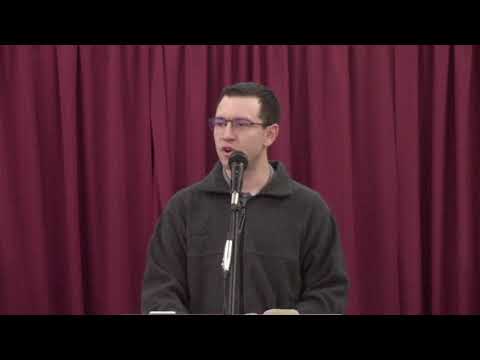
Bobby McDonald - Our Greatest Prayer Is For God Himself
Bobby McDonald · Feb 20, 2018 · 15m
The central message is that the greatest prayer is not for specific answers, but for God's presence itself. Drawing from the parable of the persistent widow, the speaker emphasizes that true faith is characterized by continually returning to God, even when struggles or unanswered prayers occur. This persistent return signifies a deep need for God's presence, which is more valuable than any immediate earthly answer.
11mNCCF Church
Bobby McDonald - God is so good
Bobby McDonald · Feb 12, 2018 · 11m
The central message is that true faith is demonstrated not by mere prayer, but by genuine praise, especially during difficult times. The speaker emphasizes that praise must come from the depth of the heart, remaining consistent whether circumstances are easy or hard. He uses examples from scripture and personal experience to illustrate that our response to trials determines our spiritual outcome, and we should always praise God regardless of our current situation.
15mNCCF Church
Jeremy Utley - Obedience And Expectation
Jeremy Utley · Jan 9, 2018 · 15m
The central message is that Christian progress requires being both completely obedient and completely unsatisfied with current blessings. Drawing from Acts 13, the speaker emphasizes that spiritual advancement happens when believers are diligently ministering to the Lord and fasting. This means remaining obedient to what has been taught while maintaining a deep, eager longing for God's further leading, exemplified by the servant leading by the Spirit.
18mNCCF Church
Bobby McDonald - Don't Let Routine Replace Relationship
Bobby McDonald · Jan 9, 2018 · 18m
The central message is that Christian life must be a genuine relationship with God, not merely a routine of religious activities. The speaker warns against letting the motions of faith—like regular Bible study or prayer—replace the heart's connection to God. He emphasizes that true spiritual health requires radical honesty before God, acknowledging where joy or devotion has waned, and maintaining a balance between recognizing personal inability and trusting in God's power to accomplish everything through Christ.
13mNCCF Church
Bobby McDonald - Pray And Don't Doubt
Bobby McDonald · Dec 4, 2017 · 13m
The speaker emphasizes that the most peaceful life is one lived according to God's will, contrasting this with the self-will which leads to death. He draws from Romans 8 to explain that setting one's mind on the Spirit leads to life and peace. Furthermore, he stresses the importance of asking God for wisdom, referencing James 1:5, but cautions that this request must be accompanied by faith and without doubting, trusting that God will also provide the understanding to discern His word.
29mNCCF Church
NCCF Church Sharing - November 26, 2017
CFC Messages · Nov 29, 2017 · 29m
The message uses the metamorphosis of a caterpillar into a moth to illustrate spiritual transformation, comparing it to the believer's journey from a basic existence to a glorious new creation in Christ. The central call is to move beyond mere existence to a higher level of faith, achieved through prayer and seeking the Lord, so that one's light shines brightly for God's glory. This transformation is presented as a continuous process of becoming more like Christ.
4m 37sNCCF Church
NCCF Church Sharing - November 19, 2017
CFC Messages · Nov 21, 2017 · 4m 37s
The speaker uses the analogy of using a GPS while driving to illustrate the peace found in relying on God's guidance rather than constantly worrying about the next step. He draws parallels between navigating a car and navigating life's uncertainties, concluding that when one seeks God's kingdom and righteousness first, they can trust that God will provide for their needs and that worrying about future problems is unnecessary.
14mNCCF Church
Jeremy Utley - The Danger Of Worry
Jeremy Utley · Nov 21, 2017 · 14m
The speaker warns against the danger of worry, citing three key biblical reasons: worry chokes the Word of God (Luke 8), it renders one unprepared for Christ's return (Luke 21), and it disqualifies one from serving God (Matthew 6). To combat worry, the speaker advises, using Proverbs 18:10, that when fear or anxiety arises, one must actively run to the Lord, rather than assuming automatic protection.
16mNCCF Church
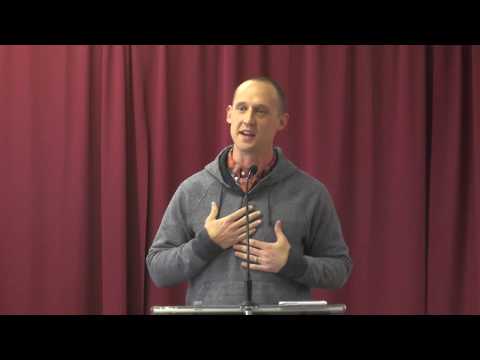
Jeremy Utley - Don't Waste A Temptation
Jeremy Utley · Nov 13, 2017 · 16m
The speaker advises listeners never to waste a temptation, viewing it as a divine opportunity. Drawing from Hebrews 4, he emphasizes that when tempted, the first action must be to pray and draw near to the throne of grace. Furthermore, he uses James 1 to distinguish between being tempted and actually sinning, suggesting that recognizing temptation is a reminder of the persistent 'flesh' within us, which should prompt a renewed hatred for wickedness.
11mNCCF Church
NCCF Church Sharing - October 29, 2017
CFC Messages · Oct 30, 2017 · 11m
The speaker shares reflections on God's faithfulness, drawing inspiration from Psalm 16 and the experience of seeking God's guidance in practical life situations. Key themes include finding one's place in God's plan, trusting the Lord's presence, and focusing on pointing others to Christ rather than trying to solve every problem in personal strength. The message emphasizes yielding to God's leading and the importance of seeking Him.
33mNCCF Church
NCCF Church Sharing - September 17, 2017
CFC Messages · Sep 19, 2017 · 33m
The speaker encourages the audience to emulate Jesus by prioritizing quiet communion with God over being constantly busy or worried. Drawing from passages like John 14 and John 5, the central message is that true Christian living involves recognizing that our actions and words should flow from the Father's leading, not our own initiative. This requires developing faith to trust God's work in our lives, even when we feel inadequate.
14mNCCF Church
Bobby McDonald - Go To Jesus And Drink
Bobby McDonald · Sep 12, 2017 · 14m
The central message is that Christians must continually turn to Jesus to satisfy spiritual thirst, drawing from the analogy of Jesus crying out, "If anyone is thirsty, let him come to me and drink." This spiritual
1h 9mNCCF Church
Zac Poonen - Hold Fast To God's Hygienic Words
Zac Poonen · Jul 31, 2017 · 1h 9m
The speaker addresses the common disappointment in answered prayer, clarifying that God answers every prayer, which can manifest as 'no,' 'wait,' or 'yes.' True reception of God's answers requires believers to maintain a heart free from condemnation, which is achieved through immediate and sincere forgiveness. Ultimately, the message emphasizes that living in the truth—which sets one free—and trusting in God's sovereign plan (Romans 8:28) is key to a life free from fear and bondage.
4m 33sNCCF Church
NCCF Church Sharing - July 16, 2017
CFC Messages · Jul 20, 2017 · 4m 33s
The speaker reflects on Peter and the apostles in Acts chapter 4, noting their journey from initial boldness after Pentecost to facing persecution. The key takeaway is that when fear or uncertainty sets in, believers should immediately turn to prayer and God, rather than waiting for the situation to escalate. This proactive reliance on God's Spirit is crucial for maintaining confidence in sharing God's Word.
1h 3mNCCF Church
3. Zac Poonen - General Q&A
Zac Poonen · May 27, 2017 · 1h 3m
The speaker discusses the importance of discerning God's will, drawing parallels to Jesus's ability to discern truth in the Gospels. He advises that when seeking a spouse, the primary focus must be on the person's genuine, personal relationship with Jesus Christ, not on worldly attributes like wealth or looks. Furthermore, he emphasizes that marriage requires keeping Christ central, and that prayer is essential for discerning God's peace regarding major life decisions.
20mNCCF Church
Bobby McDonald - Giving God Our Best
Bobby McDonald · Apr 26, 2017 · 20m
The central message is that Christians must strive to give God their absolute best in all aspects of life, rather than treating devotion as a mere checklist of duties. This requires intentional focus, whether in Bible reading, prayer, or service, and resisting the distraction of busyness. The speaker uses the example of Martha and Mary to illustrate that prioritizing time with God and listening to His word is the most necessary task.
37mNCCF Church
transcribingBobby McDonald & Jeremy Utley - Prayer, Persistence And The Promises Of God
Bobby McDonald & Jeremy Utley · Apr 5, 2017 · 37m
The central goal for Christians is to become an exact reflection of Jesus Christ. This transformation is achieved both individually through personal purity and corporately by functioning fully within the local church.
9mNCCF Church
Bobby McDonald - His Answers Are More Than What We Ask
Bobby McDonald · Mar 28, 2017 · 9m
The central message is that God desires to give us far more than we merely ask for, operating from a place of profound love. The speaker uses scripture and personal examples to illustrate that when we approach God with sincerity and patience, He provides not just a simple answer, but a deeper revelation that leads to greater knowledge of Him. This principle applies to areas like parenting, personal conduct, and even responding to difficult questions.
12mNCCF Church
Jeremy Utley - Grope For God And Find Him
Jeremy Utley · Mar 28, 2017 · 12m
The central message is that God places us in specific times and places to make us 'grope for him' and find Him. This process of longing and seeking God is necessary for spiritual growth, much like physical growth requires discomfort. The speaker emphasizes that recognizing our own shortcomings is not a cause for discouragement, but rather a sign of God's loving discipline, which prompts us to yearn for Christ's likeness.
14mNCCF Church
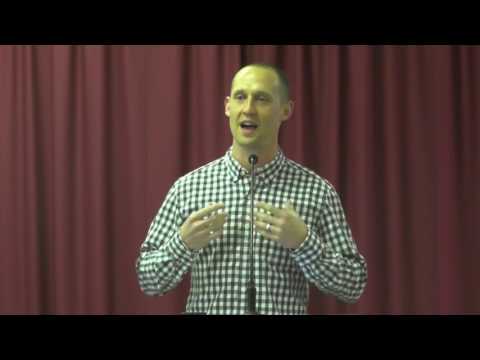
Jeremy Utley - Regarding The Things God Considers Praise Worthy
Jeremy Utley · Mar 7, 2017 · 14m
The central message is that Christians are called to become an exact reflection of Jesus Christ, a process involving personal purity and corporate church life. This transformation requires more than just abstract hope; it demands actively praying and desiring to be like Christ. Practically, this means proactively guarding one's focus by choosing to dwell upon things that reflect righteousness and integrity, rather than being absorbed by worthless things.
14mNCCF Church
Jeremy Utley - Praying For God's Desires, Not My Own
Jeremy Utley · Feb 16, 2017 · 14m
The speaker uses the Israelites' complaint in Numbers 11, where they longed for Egyptian meat instead of manna, as a warning against desiring things God has not promised. He emphasizes that while having desires is fine, any desire not rooted in God's Word must be concluded with the prayer, 'Thy will be done.' The core message is to stop insisting on what we want and instead focus on trusting God's will, viewing difficult circumstances as opportunities to practice faith and praise.
13mNCCF Church
Bobby McDonald - Jesus Often Slipped Away To The Wilderness To Pray
Bobby McDonald · Feb 9, 2017 · 13m
The central message is that Christians must strive to be an intimate reflection of Jesus by prioritizing deep, personal communion with God. The speaker draws lessons from Jesus' habit of withdrawing to the wilderness to pray, emphasizing the need for constant, intentional prayer and closeness to the Father. He urges listeners to actively fight sin through repentance to maintain this vital connection with Christ.