Library
Browse
Latest messages
1,410 messages
 7m
7mBobby McDonald - Reading God's Word Carefully
Bobby McDonald · Mar 21
 17m
17mJeremy Utley - Becoming A Weapon Of Righteousness
Jeremy Utley · Mar 21
 3m 20s
NCCF Church Sharing - March 13th, 2016
NCCF Church · Mar 15
 13m
13mBobby McDonald - Being Diligent To Preserve Unity
Bobby McDonald · Mar 15
 13m
13mJeremy Utley - Before You Come To Jesus, Go
Jeremy Utley · Mar 14
 14m
14mNCCF Church Sharing - March 6th 2016
NCCF Church · Mar 10
 15m
15mJeremy Utley - They Tried Me, Though They Saw My Works
Jeremy Utley · Mar 8
 12m
12mBobby McDonald - From People Pleasing To Pleasing The Lord
Bobby McDonald · Mar 8
 2m 41s
NCCF Church Sharing - Feb 28th 2016
NCCF Church · Mar 1
 19m
19mBobby McDonald - Maximum Christians
Bobby McDonald · Mar 1
 12m
12mJeremy Utley - Growing In Concern For The Glory Of God
Jeremy Utley · Mar 1
 10m
10mNCCF Church Sharing - 21st February 2016
NCCF Church · Feb 22
 11m
11mBobby McDonald - Devoting Ourselves To God's Word
Bobby McDonald · Feb 22
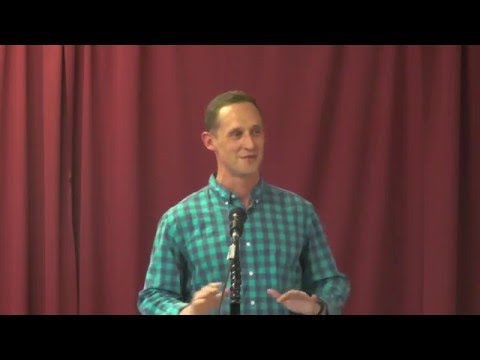 11m
11mJeremy Utley - Study Heavenly Minded Brothers And Sisters
Jeremy Utley · Feb 22
 22m
22mNCCF Church Sharing - 14th February 2016
NCCF Church · Feb 15
 25m
25mBobby McDonald - Reasons For Snake Bites
Bobby McDonald · Feb 15
 17m
17mNCCF Church Sharing - 7th Feb 2016
NCCF Church · Feb 9
 7m
7mBobby McDonald - He Has Not Dealt With Us According To Our Iniquities
Bobby McDonald · Feb 8
 10m
10mJeremy Utley - The Wonder Of Life With Jesus
Jeremy Utley · Jan 31
 8m
8mBobby McDonald - Do All Things To The Glory Of God
Bobby McDonald · Jan 31
 4m 20s
NCCF Church Sharing - January 31,2016
NCCF Church · Jan 31
 8m
8mNCCF Church Sharing - January 24,2016
NCCF Church · Jan 28
 5m
5mBobby McDonald - Obey God And Leave The Consequences To Him
Bobby McDonald · Jan 26
 9m
9mJeremy Utley - Being Jesus's Witnesses
Jeremy Utley · Jan 26
August 5 | Daily Devotion | Idolatry Is Spiritual Adultery | Zac Poonen
Zac Poonen · 10m · CFC Daily Devotions
Zac Poonen teaches that idolatry constitutes spiritual adultery against God, drawing a parallel between unfaithfulness in marriage and unfaithfulness in our devotion to God. The message calls believers to recognize idolatry in their lives and turn from it in repentance to restore their relationship with God.
7mNCCF Church
Bobby McDonald - Reading God's Word Carefully
Bobby McDonald · Mar 21, 2016 · 7m
The speaker emphasizes the necessity of reading the Bible deeply and carefully rather than skimming the surface. He uses the example of studying Ephesians 6:4 to show how deeper study revealed richer meaning regarding parenting. Ultimately, the message stresses that true understanding comes not from reading the most, but from meditating deeply on God's Word to draw out its sweetest and most profitable truths.
17mNCCF Church
Jeremy Utley - Becoming A Weapon Of Righteousness
Jeremy Utley · Mar 21, 2016 · 17m
The central message is that Christians must intentionally choose to be weapons of righteousness in God's hand rather than allowing sin to make them weapons of unrighteousness. This requires a deep personal confrontation with one's own sin, prioritizing God's glory over anything else, and being willing to surrender even what is precious to oneself. The speaker uses biblical examples, like Job and King Saul, to illustrate this principle of total consecration to God.
3m 20sNCCF Church
NCCF Church Sharing - March 13th, 2016
CFC Messages · Mar 15, 2016 · 3m 20s
The speaker shared how the passage from James 1:2-8 provided deep encouragement while facing personal trials. The core message emphasizes that God has a purpose in trials, as testing builds endurance, leading to completeness. Furthermore, the speaker was reminded that when lacking wisdom, one must ask God in faith without doubting, drawing confidence from the throne of grace.
13mNCCF Church
Bobby McDonald - Being Diligent To Preserve Unity
Bobby McDonald · Mar 15, 2016 · 13m
The central message is the critical importance of diligently preserving unity within the church and in personal relationships. The speaker emphasizes that any division, no matter how small, must be addressed immediately, comparing it to a serious fracture that requires attention. True Christian living requires prioritizing fellowship and unity over personal preferences or doctrinal disagreements.
13mNCCF Church
Jeremy Utley - Before You Come To Jesus, Go
Jeremy Utley · Mar 14, 2016 · 13m
The central message is derived from Matthew 5:23, urging believers to reconcile with anyone who has an issue with them *before* presenting any offering or dedicating themselves to God. The speaker emphasizes that the first step in spiritual dedication is reconciliation, not the act of worship itself. He warns against the flesh's tendency to self-defend or rationalize conviction, encouraging instead the humble submission of 'let it be according to your will.'
14mNCCF Church
NCCF Church Sharing - March 6th 2016
CFC Messages · Mar 10, 2016 · 14m
The speaker emphasizes that the Christian goal is to reflect Jesus Christ, which requires both personal purity and functioning within the local church. Drawing from Hebrews 7:25, the message highlights Jesus's eternal intercession for believers, using the analogy of a courtroom where Jesus defends the speaker against accusations. The core takeaway is the need to practice mercy and forgiveness by praying for those who have wronged us, aligning with God's will rather than our own feelings.
15mNCCF Church
Jeremy Utley - They Tried Me, Though They Saw My Works
Jeremy Utley · Mar 8, 2016 · 15m
The central message is that having witnessed God's miraculous work in our lives should lead to unwavering confidence and a refusal to doubt Him when facing new challenges. Drawing from David's account in Psalm 95, the speaker warns against hardening our hearts by grumbling or questioning God's presence, even after experiencing His provision. The goal is to maintain faith and trust in God's purpose, regardless of current circumstances.
12mNCCF Church
Bobby McDonald - From People Pleasing To Pleasing The Lord
Bobby McDonald · Mar 8, 2016 · 12m
The central message is the danger of people-pleasing, which creates a heavy, unsustainable burden that contradicts God's will. The speaker emphasizes that true freedom and rest are found not in trying to satisfy everyone, but in dedicating oneself to pleasing God alone. He uses the analogy of a yoke to illustrate that when we live for Christ, the burden is shared, making it light, unlike the heavy backpack of self-effort or pleasing others.
2m 41sNCCF Church
NCCF Church Sharing - Feb 28th 2016
CFC Messages · Mar 1, 2016 · 2m 41s
The central message is that approaching God requires believing everything Scripture says about Him, as per Hebrews 11:6. The speaker warns against selectively believing God's attributes, comparing it to a liar giving testimony. True faith means accepting that God is everything He claims to be in Scripture, which provides a solid foundation for prayer.
19mNCCF Church
Bobby McDonald - Maximum Christians
Bobby McDonald · Mar 1, 2016 · 19m
The central message is the call to live as a 'maximum Christian,' meaning one's life revolves entirely around pleasing God rather than personal wants. The speaker contrasts this with the 'minimum Christian,' who only adheres to the bare minimum requirements or expects recognition for service. True discipleship involves freely choosing to be a slave to God, giving everything without expecting anything in return, exemplified by the attitude of Job.
12mNCCF Church
Jeremy Utley - Growing In Concern For The Glory Of God
Jeremy Utley · Mar 1, 2016 · 12m
The central message is that Christian life should shift focus from merely crying out for personal deliverance to actively praying, "Father, glorify your name." The speaker outlines three ways to grow in concern for God's glory: first, obeying God regardless of the outcome, as exemplified by Shadrach, Meshach, and Abednego; second, fixing one's mind on God's ultimate purpose, recognizing that challenges are for transformation into Christ's image; and third, maintaining faith and hope even when deliverance is not visible.
10mNCCF Church
NCCF Church Sharing - 21st February 2016
CFC Messages · Feb 22, 2016 · 10m
The speaker discusses how to respond to sin, whether in ourselves or others, emphasizing that our goal is to reflect Jesus. He draws from the story of the woman caught in adultery, concluding that instead of condemning, we should respond with grace, prayer, and love. The message concludes with reflections on finding contentment through scripture, citing Habakkuk 3, Psalm 16, and Psalm 23.
11mNCCF Church
Bobby McDonald - Devoting Ourselves To God's Word
Bobby McDonald · Feb 22, 2016 · 11m
The central message is the necessity of devoting oneself completely to God's Word, going beyond mere study to a deep, personal devotion. The speaker emphasizes that true devotion involves a desire to live out what is learned, focusing on the quality of time spent meditating on Scripture for personal transformation rather than just accumulating knowledge. This devotion is presented as essential for spiritual growth and bearing witness to Christ.
11mNCCF Church
Jeremy Utley - Study Heavenly Minded Brothers And Sisters
Jeremy Utley · Feb 22, 2016 · 11m
The speaker encourages listeners to emulate the lives of those who have fully surrendered to God, drawing inspiration from biblical figures like Paul. He emphasizes that true spiritual growth requires not only observing godly examples but also diligently putting what is learned, received, heard, and seen into daily practice. A key focus is the ministry of intercession, urging the congregation to emulate Jesus' persistent prayer for the church's righteousness.
22mNCCF Church
NCCF Church Sharing - 14th February 2016
CFC Messages · Feb 15, 2016 · 22m
The central message encourages Christians to reflect Jesus by growing in personal purity and functioning within the local church. The speaker emphasizes that enduring present trials and hardships are temporary when compared to the eternal glory awaiting believers with Christ. He urges listeners to align their lives perfectly with God's will before departing, drawing parallels to an airplane landing gracefully on a runway.
25mNCCF Church
Bobby McDonald - Reasons For Snake Bites
Bobby McDonald · Feb 15, 2016 · 25m
The speaker encourages the audience not to feel useless, reminding them that God has a specific role for everyone in the body of Christ, comparing it to the interconnectedness of electrical wiring. He uses the analogy of a snake bite—representing life's difficult, impossible-to-solve circumstances—to teach that these hardships ultimately drive us to seek God. The core message is to rest in God's sovereignty, accepting that we do not need to know the 'why' of everything, but rather to trust Him as our only hope.
17mNCCF Church
NCCF Church Sharing - 7th Feb 2016
CFC Messages · Feb 9, 2016 · 17m
The speaker emphasizes that the goal of Christians is to reflect Jesus Christ by growing in personal purity and functioning corporately within the local church. Drawing parallels from scripture, the message stresses the need for constant spiritual focus, comparing worldly distractions to the wastefulness of excrement. Ultimately, the talk urges believers to maintain a sense of urgency regarding sin and God's grace, remembering that all people, including the speaker, are sinners in need of Christ's saving mercy.
7mNCCF Church
Bobby McDonald - He Has Not Dealt With Us According To Our Iniquities
Bobby McDonald · Feb 8, 2016 · 7m
The central message is that appreciating God's immense love requires a clear and sober view of one's own sinfulness. The speaker draws from Psalm 103 to highlight that God has not dealt with us according to our iniquities, emphasizing His undeserved mercy. He concludes that striving to keep God's commandments, even when failing, deepens the appreciation for His grace, leading to perfect fellowship with Him.
10mNCCF Church
Jeremy Utley - The Wonder Of Life With Jesus
Jeremy Utley · Jan 31, 2016 · 10m
The central message is that a life with Jesus should be characterized by a constant sense of wonder and amazement, which should now be focused on what God is doing in and through the Church by the power of the Holy Spirit. The speaker suggests that this amazement should extend beyond outward miracles to include inward spiritual realities, such as the revelation of God's love, freedom from sin's power, the ability to partake of divine nature, and growing unity within the church.
8mNCCF Church
Bobby McDonald - Do All Things To The Glory Of God
Bobby McDonald · Jan 31, 2016 · 8m
The central message is that Christians should dedicate every aspect of their lives—both spiritual and secular—to the glory of God, following the principle of 1 Corinthians 10:31. This means seeking to live in God's will in every moment, whether working diligently, resting, or performing mundane tasks. By doing everything cheerfully and without complaint, believers can make every act a spiritual offering.
4m 20sNCCF Church
NCCF Church Sharing - January 31,2016
CFC Messages · Jan 31, 2016 · 4m 20s
The speaker reflects on the difference between seeing the Lord now and seeing Him face-to-face, drawing parallels between physical necessity and spiritual pursuit. He realized that just as his flesh compels him to work to survive, he desires his spiritual life to have a similar urgent drive to seek God and learn from Him. The central message is the need for a persistent, compelling desire to press toward spiritual perfection.
8mNCCF Church
NCCF Church Sharing - January 24,2016
CFC Messages · Jan 28, 2016 · 8m
The speaker shares testimonies of God's miracles, drawing parallels to biblical accounts like the feeding of the 5,000 and the oil during Hanukkah. The core message then shifts to the profound implication of Romans 6:23—that the wages of sin is death. He challenges the congregation to move beyond intellectual agreement with this truth, urging them to truly internalize that because they are bought at a price, everything they have rightfully belongs to God.
5mNCCF Church
Bobby McDonald - Obey God And Leave The Consequences To Him
Bobby McDonald · Jan 26, 2016 · 5m
The central message is that Christians should prioritize seeking and doing God's will in every aspect of life, even if the outcome is imperfect. The speaker emphasizes that approaching God with a surrendered attitude—asking, "Lord, what is your will?"—is what pleases Him, regardless of personal mistakes. This principle is supported by examples from Israel's history and scripture, encouraging believers to live for God's glory in all things.
9mNCCF Church
Jeremy Utley - Being Jesus's Witnesses
Jeremy Utley · Jan 26, 2016 · 9m
Being Jesus's witness means seeing Him as a living, risen Lord, not merely as a historical figure. This requires understanding that 'witnessing' is distinct from 'testifying.' The speaker emphasizes that the Holy Spirit provides the power to see Jesus as alive in the present, enabling believers to genuinely experience and point to His ongoing presence in their lives.