Library
Browse
Latest messages
1,410 messages
 8m
8mJeremy Utley - Praising God when we are powerless
Jeremy Utley · Sep 21
 8m
8mBobby McDonald - Doing everything vs. listening to the Spirit
Bobby McDonald · Sep 20
 25m
25mZac Poonen - Bringing Up Children Aright
Zac Poonen · Sep 20
 56m
56mZac Poonen - A Blameless Life
Zac Poonen · Sep 17
 8m
8mNCCF Church Sharing - September 06, 2015
NCCF Church · Sep 14
 18m
18mJeremy Utley - Full Consecration
Jeremy Utley · Sep 14
 10m
10mNCCF Church Sharing - August 30,2015
NCCF Church · Aug 31
 12m
12mJeremy Utley - Watching Our Heart
Jeremy Utley · Aug 31
 5m
5mBobby McDonald - Simple Obedience
Bobby McDonald · Aug 31
 8m
8mJeremy Utley - Recounting The Deeds Of The Lord
Jeremy Utley · Aug 24
 4m 54s
NCCF Church Sharing - August 23,2015
Wenhai Pan · Aug 23
 14m
14mBobby McDonald - God's Presence And Our Will
Bobby McDonald · Aug 23
 1h 28m
Zac Poonen - Principles of building a local church as Christ's body
Zac Poonen · Aug 23
 20m
20mNCCF Church Sharing - August 09,2015
NCCF Church · Aug 12
 19m
19mBobby McDonald - The Book of Romans - Sin, Mercy & Victory
Bobby McDonald · Aug 10
 37m
37mNCCF Church Sharing - August 02, 2015
NCCF Church · Aug 3
 17m
17mBobby McDonald - God's Word Is Our Need
Bobby McDonald · Aug 3
 27m
27mNCCF Church Sharing - July 26, 2015
NCCF Church · Jul 27
 13m
13mNCCF Church Sharing - July 19, 2015
NCCF Church · Jul 19
 8m
8mJeremy Utley - Repentance without Regret
Jeremy Utley · Jul 19
 7m
7mBobby McDonald - Submitting to God's will
Bobby McDonald · Jul 19
 3m 42s
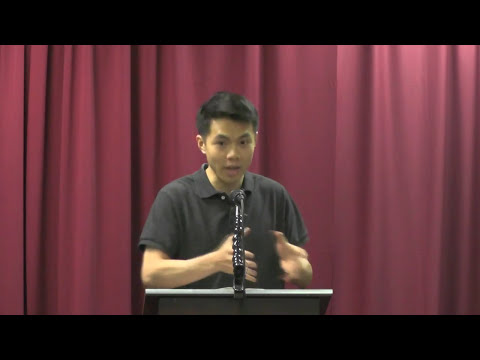
Jeremy Utley - Colossians 1:9-29
Jeremy Utley · Jul 19
 15m
15mNCCF Church Sharing - July 12, 2015
NCCF Church · Jul 13
 11m
11mJeremy Utley - God-centered Praying
Jeremy Utley · Jul 13
August 5 | Daily Devotion | Idolatry Is Spiritual Adultery | Zac Poonen
Zac Poonen · 10m · CFC Daily Devotions
Zac Poonen teaches that idolatry constitutes spiritual adultery against God, drawing a parallel between unfaithfulness in marriage and unfaithfulness in our devotion to God. The message calls believers to recognize idolatry in their lives and turn from it in repentance to restore their relationship with God.
8mNCCF Church
Jeremy Utley - Praising God when we are powerless
Jeremy Utley · Sep 21, 2015 · 8m
The central message is that when we feel powerless, we should not fear because the battle belongs to God. Drawing from 2 Chronicles 20, the speaker emphasizes that true faith is demonstrated by approaching God with a spirit of desperation and humility, declaring victory through praise even before seeing it. This act of praising God in times of uncertainty proves that our focus remains entirely on Him.
8mNCCF Church
Bobby McDonald - Doing everything vs. listening to the Spirit
Bobby McDonald · Sep 20, 2015 · 8m
The central message is that Christian life requires actively listening to the Holy Spirit rather than trying to accomplish everything through personal effort. The speaker uses the analogy of a piano player to illustrate that believers only need to focus on their individual role, connected to the 'head' (Christ/God), rather than trying to manage every need within the church. True service comes from submission to God's specific leading, which is more productive than self-directed effort.
25mNCCF Church
Zac Poonen - Bringing Up Children Aright
Zac Poonen · Sep 20, 2015 · 25m
The speaker emphasizes that the church should function as a family, and parenting Christian children requires understanding their spiritual significance. Drawing from Hebrews 11 and Psalm 127, he argues that children are gifts from God, meant to be trained as 'arrows' for spiritual warfare against Satan. The goal is to teach children to praise God from a young age so that the enemy's mouth will be shut.
56mNCCF Church
Zac Poonen - A Blameless Life
Zac Poonen · Sep 17, 2015 · 56m
The central message is that Christian life must be characterized by loving God with one's entire being (heart, soul, mind) and loving one's neighbor as oneself. The speaker emphasizes that these two commandments form the foundation for navigating life's 'gray areas' and warns against legalism, whether in religious observance or in relationships. True love is proven not by sentimentality, but by practical obedience to God's commandments.
8mNCCF Church
NCCF Church Sharing - September 06, 2015
CFC Messages · Sep 14, 2015 · 8m
The speaker reflects on the parable of the vineyard owner, drawing parallels to Romans 5, and emphasizes that the ultimate goal of Christian living is not personal gain or the accumulation of spiritual gifts, but delighting in giving all glory, honor, and praise to God. A second reflection details a personal failure in parenting, where the speaker realized God corrected her by showing her a better, more loving way to respond, illustrating God's gentle guidance toward repentance and better discipleship.
18mNCCF Church
Jeremy Utley - Full Consecration
Jeremy Utley · Sep 14, 2015 · 18m
The central message is the call to total consecration, urging believers to present their bodies as a living and holy sacrifice to God, as taught in Romans 12:1. The speaker emphasizes that true surrender means recognizing that one's time, money, and thoughts belong to God, not to personal default habits. He concludes that genuine surrender is actively choosing *not* to do one's own thing, but instead waiting expectantly for God's direction.
10mNCCF Church
NCCF Church Sharing - August 30,2015
CFC Messages · Aug 31, 2015 · 10m
The speaker emphasizes that Christian growth requires active 'pruning' to bear more fruit, which necessitates complete surrender to the Holy Spirit. This surrender means giving up personal control and allowing the Spirit to use one's body and life fully. True peace and rest are not derived from external circumstances but from choosing to come to Jesus and taking up His yoke.
12mNCCF Church
Jeremy Utley - Watching Our Heart
Jeremy Utley · Aug 31, 2015 · 12m
The speaker emphasizes the importance of guarding one's heart, referencing Proverbs 4:23. Key lessons learned include being careful about who influences us, as worldly wisdom can subtly rationalize sin, and ensuring spiritual discussions happen with spiritually mature believers. Furthermore, one must guard their affections by prioritizing God's opinion over the opinions of others to avoid being spiritually eroded.
5mNCCF Church
Bobby McDonald - Simple Obedience
Bobby McDonald · Aug 31, 2015 · 5m
The central message is that true spiritual growth comes not just from meditating on scripture, but from practicing simple, childlike obedience to what God reveals. The speaker emphasizes that applying plain biblical principles, such as working heartily for the Lord or being quick to listen and slow to speak, is the way to gain deeper understanding and build up the body of Christ.
8mNCCF Church
Jeremy Utley - Recounting The Deeds Of The Lord
Jeremy Utley · Aug 24, 2015 · 8m
The central message is that when facing doubt or difficulty, believers should not rely on their feelings but instead actively recall and meditate on God's past faithfulness. The speaker emphasizes that this practice, exemplified by Psalm 77, should become a deliberate, ongoing habit—especially in parenting—by keeping a record of God's deeds to pass down a testimony of His goodness to future generations. This conscious recounting of God's works is presented as a vital spiritual discipline.
4m 54sNCCF Church
NCCF Church Sharing - August 23,2015
Wenhai Pan · Aug 23, 2015 · 4m 54s
The speaker emphasizes the critical importance of overcoming doubt and unbelief in one's relationship with God. Drawing from Mark 16:14, he notes that Jesus reproached the disciples not for abandoning him, but for their unbelief regarding the resurrection. The central message is that while wholeheartedness is valuable, Jesus desires both wholeheartedness and an absolute, rock-solid faith in Him.
14mNCCF Church
Bobby McDonald - God's Presence And Our Will
Bobby McDonald · Aug 23, 2015 · 14m
The central message is that to experience God's presence, one must surrender their own will and ambitions, mirroring Jesus' life. The speaker draws parallels from Jesus' time in the temple and his quiet moments with God to illustrate that true closeness to God requires focusing solely on Him. Ultimately, the speaker equates the 'veil' separating humanity from God's presence with our own will, suggesting that crucifying our will is the way to enter into God's presence.
1h 28mNCCF Church
Zac Poonen - Principles of building a local church as Christ's body
Zac Poonen · Aug 23, 2015 · 1h 28m
The central message is that true spiritual leadership and effectiveness in building the church require profound brokenness, as God cannot work through those who rely on their own strength or perceived abilities. The speaker uses examples from scripture—Moses, Peter, and Jacob—to illustrate that God often breaks down human strength through failure before fulfilling His purpose. Ultimately, believers must learn to relinquish self-reliance and prioritize God above all else.
20mNCCF Church
NCCF Church Sharing - August 09,2015
CFC Messages · Aug 12, 2015 · 20m
The speaker emphasizes that the Christian goal is to reflect Jesus by growing in personal purity and functioning corporately within the local church. Drawing from Jesus's baptism and life, he stresses the importance of humility, submitting to God's authority, and prioritizing pleasing God over public opinion. He concludes by urging the congregation to deeply value the body of Christ, examining their reactions to the success or failure of fellow believers to gauge their true belief in this unity.
19mNCCF Church
Bobby McDonald - The Book of Romans - Sin, Mercy & Victory
Bobby McDonald · Aug 10, 2015 · 19m
The speaker summarizes the Book of Romans, stating that humanity is inherently sinful and hopeless, making God's justification through Jesus Christ the only hope. He emphasizes that believers should strive to live Christlike lives empowered by the Holy Spirit, build up the church, and love their enemies. Ultimately, the message centers on relying completely on God's mercy through faith in Jesus, rather than personal works.
37mNCCF Church
NCCF Church Sharing - August 02, 2015
CFC Messages · Aug 3, 2015 · 37m
The speaker shares a testimony of God's nearness and sustaining grace during a difficult week, highlighting the importance of consistent, daily time with God through prayer and reading scripture. He also reflects deeply on the Lord's Prayer, emphasizing that true need is addressed by trusting God's provision rather than worrying about daily anxieties, and that living under God's kingdom means prioritizing His will over personal desires or career ambitions. Finally, he stresses the necessity of daily forgiveness, both receiving and giving, mirroring the debt forgiveness taught in Matthew 18.
17mNCCF Church
Bobby McDonald - God's Word Is Our Need
Bobby McDonald · Aug 3, 2015 · 17m
The central message is that Christians must actively grasp and internalize God's Word to reflect Jesus. The speaker draws parallels from 2 Timothy 3 and the story of the magicians opposing Moses to warn against merely 'learning' about truth without truly grasping it. He emphasizes that Satan actively tries to steal God's Word, and therefore, one must approach scripture with desperate need and perseverance to receive the hope it offers.
27mNCCF Church
NCCF Church Sharing - July 26, 2015
CFC Messages · Jul 27, 2015 · 27m
The central message is that true peace and stability come from placing all expectations and needs solely on God, rather than on people. The speaker warns against trusting in mankind or expecting others to fulfill our needs, as this leads to disappointment and sin. By grounding our lives in God's unwavering love, we become immune to the emotional turmoil caused by the fluctuating opinions or actions of others.
13mNCCF Church
NCCF Church Sharing - July 19, 2015
CFC Messages · Jul 19, 2015 · 13m
The speaker discusses how believers can share in Christ's afflictions by actively resisting sinful reactions like complaining or self-pity during times of suffering or sickness. He shares personal testimonies of surviving accidents and completing a challenging academic course, attributing his ability to speak about Jesus and God's purpose to the Holy Spirit. The overarching message is to live with a new determination to follow Christ's way through life's challenges.
8mNCCF Church
Jeremy Utley - Repentance without Regret
Jeremy Utley · Jul 19, 2015 · 8m
The sermon explores the concept of 'repentance without regret,' drawing from 2 Corinthians 7, which teaches that sorrow according to God's will produces repentance that does not lead to regret. The speaker emphasizes that sin's revelation is necessary for repentance, and the true measure of handling sin is not the sin itself, but the subsequent response—taking it seriously and coming to God. Furthermore, the message advises that gentleness must be practiced by remembering God's own kindness toward us and by actively seeking the Holy Spirit's help in every interaction.
7mNCCF Church
Bobby McDonald - Submitting to God's will
Bobby McDonald · Jul 19, 2015 · 7m
The central message is the importance of submitting to God's will in all circumstances. The speaker shares personal anecdotes, such as accepting traffic delays and yielding a parking spot, to illustrate that peace comes from accepting what God allows, even when it contradicts personal desires. He emphasizes that true submission, like Mary's response, means prioritizing God's will over personal rights or comfort.
3m 42sNCCF Church
Jeremy Utley - Colossians 1:9-29
Jeremy Utley · Jul 19, 2015 · 3m 42s
Paul's ministry, as described in Colossians, involved both public proclamation and private, unceasing prayer for the church. The speaker draws a parallel with Ezekiel's vision of the dry bones, emphasizing that prophecy alone does not bring life; the movement of the Spirit through prayer is essential. Therefore, the goal for the church should be to balance public ministry with diligent private prayer for the Holy Spirit to bring life.
15mNCCF Church
NCCF Church Sharing - July 12, 2015
CFC Messages · Jul 13, 2015 · 15m
The speaker uses the analogy of finding termites in a cupboard to illustrate hidden, persistent spiritual issues that were undermining their foundation. They shared a personal struggle of bottling up emotional burdens and doubts, realizing they needed to actively seek help and fellowship. The central message is that true spiritual healing requires vulnerability, allowing others to help lift us up, and recognizing that God is present even when we feel isolated.
11mNCCF Church
Jeremy Utley - God-centered Praying
Jeremy Utley · Jul 13, 2015 · 11m
The central message is the necessity of shifting from self-centered praying to God-centered praying. The speaker uses examples from the Bible, such as Hezekiah and Moses, to illustrate that true prayer focuses on the exaltation and reputation of God's name, rather than merely personal deliverance or comfort. The speaker cautions that focusing only on personal needs can lead to spiritual blindness, as seen when Hezekiah's self-centered prayer led to subsequent national decline.