Library
Browse
Latest messages
303 messages
 57m
57mThe atmosphere of Heaven - Zac Poonen (Telugu)
Zac Poonen · Dec 12
 58m
58mA Heavenly attitude towards the world - Zac Poonen (Telugu)
Zac Poonen · Dec 12
 57m
57mFaith to live a heavenly life - Zac Poonen (Telugu)
Zac Poonen · Dec 12
 14m
14mThe Creation - The Creator or His Creation Part 3of4 by Zac Poonen (Malayalam)
Zac Poonen · Nov 5
 14m
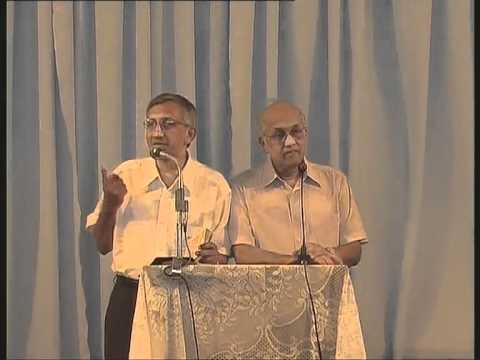
14mInward Righteousness Part 1of4 by Zac Poonen (Malayalam)
Zac Poonen · Nov 4
 14m
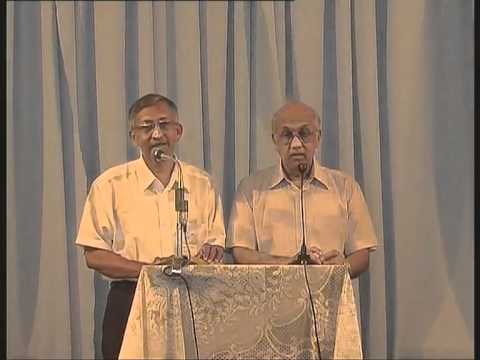
14mInward Righteousness Part 2of4 by Zac Poonen (Malayalam)
Zac Poonen · Nov 4
 14m
14mInward Righteousness Part 4of4 by Zac Poonen (Malayalam)
Zac Poonen · Nov 4
 11m
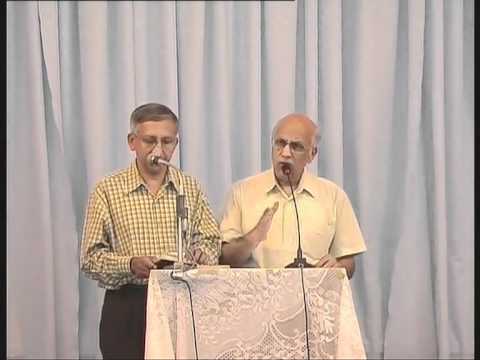
11mWhat Do You Seek: 6 The Father Seeks Worshipers Part 2of4 by Zac Poonen(Malayalam)
Zac Poonen · Nov 1
 13m
13mWhat Do You Seek :3 Seeking to See His Beauty - Part 3of4 by Zac Poonen(Malayalam)
Zac Poonen · Nov 1
 13m
13mWhat Do You Seek :3 Seeking to See His Beauty - Part 4of4 by Zac Poonen(Malayalam)
Zac Poonen · Oct 29
 5m
5mBeing considerate for others like Jesus - Zac Poonen
Zac Poonen · Jun 8
 9m
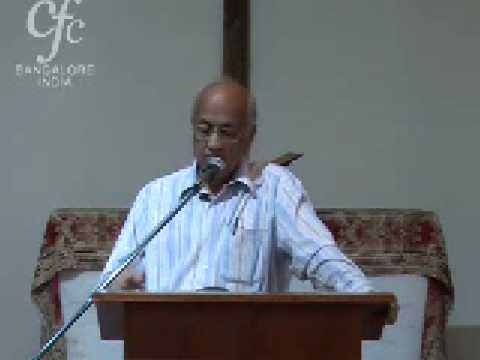
9mBattle Against Sexual Sin by Zac Poonen
Zac Poonen · Mar 11
 8m
8mThe God who answers by fire by Zac Poonen - Part 1
Zac Poonen · Feb 24
 6m
6mThe God who answers by fire by Zac Poonen - Part 2
Zac Poonen · Feb 24
 4m 37s
How To Identify The Righteousness From God
Zac Poonen · Oct 20
August 4 | Daily Devotion | The Mark Of New Covenant Blessing Is Not Wealth And Health | Zac Poonen
Zac Poonen · 11m · CFC Daily Devotions
True blessing under the New Covenant is not measured by material wealth and health, but by spiritual transformation and union with Christ. The mark of God's blessing is internal holiness and a clear vision of Christ, not external prosperity.
57mCFC India
The atmosphere of Heaven - Zac Poonen (Telugu)
Zac Poonen · Dec 12, 2010 · 57m
The speaker contrasts the atmosphere of heaven with earthly life and current church practices, emphasizing that true heavenly life involves deep fellowship with God. He draws from Isaiah 6 to describe heaven as a place characterized by profound worship, where reverence for God surpasses mere service. The central message is that a truly heavenly life should manifest as worship that exceeds service, unlike superficial religious displays.
58mCFC India
A Heavenly attitude towards the world - Zac Poonen (Telugu)
Zac Poonen · Dec 12, 2010 · 58m
The speaker emphasizes that true Christian life requires an inner transformation, moving beyond outward pretense to genuinely desire a heavenly mindset. He stresses that the Holy Spirit enables this internal change, contrasting it with the world's focus on material gain and self-advancement. Ultimately, a person's true spiritual state is revealed by how they treat others, especially those in their immediate sphere, rather than by outward religious performance.
57mCFC India
transcribingFaith to live a heavenly life - Zac Poonen (Telugu)
Zac Poonen · Dec 12, 2010 · 57m
This message focuses on the concept of living a life that reflects heavenly realities on earth. Zac Poonen emphasizes that true Christian living requires a transformation of mindset and daily habits to align with God's kingdom. The core message encourages believers to actively pursue holiness and heavenly citizenship.
14mCFC India
The Creation - The Creator or His Creation Part 3of4 by Zac Poonen (Malayalam)
Zac Poonen · Nov 5, 2010 · 14m
The sermon emphasizes that true worship must be directed solely to God, the Creator, rather than to His creation. Drawing parallels from the Garden of Eden, the speaker argues that the temptation to worship created things—whether it be beautiful objects, worldly pleasures, or even money—is a constant test. Ultimately, believers must make a conscious choice to worship God alone, recognizing that one cannot serve both God and created things.
14mCFC India
Inward Righteousness Part 1of4 by Zac Poonen (Malayalam)
Zac Poonen · Nov 4, 2010 · 14m
The sermon continues the study of Romans 14:17, emphasizing that the Kingdom of God is not merely about preaching the gospel. True gospel proclamation must bring righteousness, peace, and joy through the Holy Spirit, contrasting this with any notion of righteousness that must be earned or bought. The speaker uses the example of a diamond ring to illustrate what is free versus what must be paid for.
14mCFC India
Inward Righteousness Part 2of4 by Zac Poonen (Malayalam)
Zac Poonen · Nov 4, 2010 · 14m
The sermon emphasizes that in Christian life, the emphasis in the New Covenant is on the quality, not the quantity, of righteousness. True righteousness requires surpassing mere outward observance, focusing instead on internal transformation, such as guarding one's heart from anger. The speaker warns that unmanaged anger can lead through stages, culminating in spiritual danger, and stresses that spiritual value lies in the quality of spiritual leadership, not the size of the congregation.
14mCFC India
Inward Righteousness Part 4of4 by Zac Poonen (Malayalam)
Zac Poonen · Nov 4, 2010 · 14m
The speaker discusses the concept of inward righteousness, suggesting that true experience of it requires a specific spiritual state. The provided transcript is fragmented, but the context points toward a deep theological discussion about spiritual realities and God's kingdom.
11mCFC India
What Do You Seek: 6 The Father Seeks Worshipers Part 2of4 by Zac Poonen(Malayalam)
Zac Poonen · Nov 1, 2010 · 11m
The speaker appears to be discussing the difference between worship and other concepts, referencing a need to distinguish between them. The content is fragmented, but the focus seems to be on understanding the nature of true worship in relation to spiritual matters.
13mCFC India
What Do You Seek :3 Seeking to See His Beauty - Part 3of4 by Zac Poonen(Malayalam)
Zac Poonen · Nov 1, 2010 · 13m
The central message emphasizes that true spiritual vision comes from having the atmosphere of Heaven in one's heart, which is focused entirely on Jesus Christ. The speaker distinguishes between having a clean conscience and possessing a pure heart, arguing that a pure heart is characterized by seeing God in everything, rather than being preoccupied with earthly grievances or people. Ultimately, the goal is to fix one's vision on Christ, as exemplified by Jesus seeing the Father rather than the postman.
13mCFC India
What Do You Seek :3 Seeking to See His Beauty - Part 4of4 by Zac Poonen(Malayalam)
Zac Poonen · Oct 29, 2010 · 13m
The sermon emphasizes that true spiritual sight—the ability to see God's glory everywhere—comes from a burning passion to see Jesus' beauty. Drawing parallels from Moses' desire to see God's glory (which required death/a veil) and Jesus' crucifixion, the speaker argues that seeing God's glory requires a willingness to confront deep spiritual realities, not just superficial presence. The core message is that what we truly seek dictates what we can see in our lives and the church.
5mCFC India
Being considerate for others like Jesus - Zac Poonen
Zac Poonen · Jun 8, 2010 · 5m
True Christianity is demonstrated through thoughtfulness and consideration for others, which the speaker equates to holiness. He uses Jesus' neatly folded napkin after the resurrection as an example of this consistent care. The core message is that accepting the crucifixion of our 'old man' (our sinful nature) is necessary to experience the heavenly life, rather than merely seeking earthly blessings.
9mCFC India
Battle Against Sexual Sin by Zac Poonen
Zac Poonen · Mar 11, 2009 · 9m
The speaker uses the analogy of wrestling to teach that persistent effort in battling sexual sin is what builds strength, regardless of temporary setbacks. He encourages the audience not to give up when they fail, but to keep fighting the battle. He emphasizes that Jesus's life, marked by overcoming temptation at every stage, serves as the ultimate example of enduring struggle to achieve purity.
8mCFC India
The God who answers by fire by Zac Poonen - Part 1
Zac Poonen · Feb 24, 2009 · 8m
The speaker discusses the true nature of revival, contrasting it with false manifestations like emotionalism and psychological manipulation. He uses the example of Elijah at Mount Carmel to illustrate that the true God answers by fire, which signifies divine approval and purity. The central message is that believers must cultivate the genuine fire of the Holy Spirit, which brings inner purity and control, rather than being deceived by superficial or emotional displays.
6mCFC India
The God who answers by fire by Zac Poonen - Part 2
Zac Poonen · Feb 24, 2009 · 6m
The central message warns against the false fire of legalism, which focuses on outward appearance, contrasting it with the true, inward fire of genuine holiness. The speaker emphasizes that God hears prayer only when the heart is purified, citing Elijah's brief but effective prayer. He urges believers to choose allegiance to Christ over the modern equivalent of Baal, which he identifies as money, and to be either fully devoted to God or completely separate from Him.
4m 37sCFC India
How To Identify The Righteousness From God
Zac Poonen · Oct 20, 2008 · 4m 37s
The central message contrasts self-produced righteousness with the righteousness that is a gift from God, using the test of pride. If you are proud of a quality—whether it's generosity, skill, or church growth—it proves that you produced it yourself. True divine nature, which comes from God, cannot be the source of pride, especially when compared to the incomparable sacrifice of Calvary.