Library
Browse
Latest messages
400 messages
 1h 1m
1h 1mFollowing Christ In The New Year: 3.A Life Of Self Acknowlegement - Zac Poonen
Zac Poonen · Jan 31
 59m
59mPeople Who Were Ready For Christ's Coming - Part 4 - Zac Poonen
Zac Poonen · Jan 30
 1h 3m
1h 3mA People Who Judge Themselves - Zac Poonen - December 11, 2013
Zac Poonen · Dec 12
 1h 37m
Question & Answer | How to Conquer Satan and Win | Zac Poonen
Zac Poonen · Oct 27
 26m
26mRecognizing The Body Of Christ On Earth - Zac Poonen (Telugu)
Zac Poonen · May 30
 46m
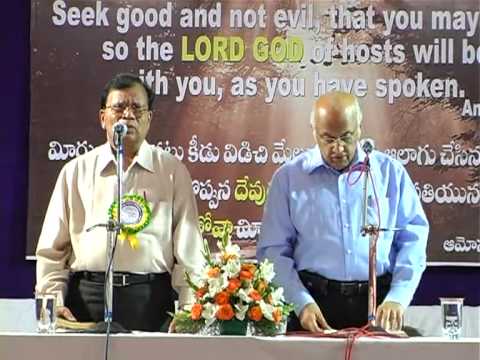
46mGod Shows His Way To Sinners - Zac Poonen (Telugu)
Zac Poonen · May 26
 47m
47mYouth Conference - Coming To God -2 by Zac Poonen
Zac Poonen · May 13
 55m
55mThrough The Bible - English - 33 (Zephaniah & Haggai) by Zac Poonen
Zac Poonen · Apr 10
 52m
52mThrough The Bible - English - 70 (Revelation-2) by Zac Poonen
Zac Poonen · Apr 10
 56m
56mThrough The Bible - English - 57 (1 & 2 Thessalonians) by Zac Poonen
Zac Poonen · Apr 10
 50m
50mThrough The Bible - Tamil - 47 (Romans - 1) by Zac Poonen
Zac Poonen · Apr 6
 50m
50mThrough The Bible - Tamil - 42 (Luke - 3) by Zac Poonen
Zac Poonen · Apr 6
 50m
50mThrough The Bible - Tamil - 71 (Revelation - 2) by Zac Poonen
Zac Poonen · Apr 6
 1h 13m
The Way of the Cross and the Holy Spirit - Zac Poonen - March 1, 2013
Zac Poonen · Mar 13
 58m
58mThe Foundation of Repentance - Zac Poonen - March 1, 2013
Zac Poonen · Mar 12
 1h 0m
1h 0mRepentance From Dead Works - Zac Poonen - March 1, 2013
Zac Poonen · Mar 11
 20m
20mTraining Children In The Last Days - Zac Poonen
Zac Poonen · Feb 23
 1h 1m
1h 1mA Clear Gospel Message by Zac Poonen
Zac Poonen · Aug 26
 55m
55mThe True Mark of Spirituality - Zac Poonen - August 5, 2012
Zac Poonen · Aug 5
 1h 0m
1h 0mThe Law Of The Spirit_2.The Law Of Brokenness by Zac Poonen
Zac Poonen · Jul 12
 57m
57m02.Repentance From UnChristlikeness - Zac Poonen
Zac Poonen · Jun 24
 57m
57m04.The True Grace Of God - Zac Poonen
Zac Poonen · Jun 24
 55m
55m10.You Who Have Failed Will Be A Blessing - Zac Poonen
Zac Poonen · Jun 24
 57m
57mThree Radical Prophets - 2) Elijah - Zac Poonen
Zac Poonen · Jun 24
August 4 | Daily Devotion | The Mark Of New Covenant Blessing Is Not Wealth And Health | Zac Poonen
Zac Poonen · 11m · CFC Daily Devotions
True blessing under the New Covenant is not measured by material wealth and health, but by spiritual transformation and union with Christ. The mark of God's blessing is internal holiness and a clear vision of Christ, not external prosperity.
1h 1mCFC India
transcribingFollowing Christ In The New Year: 3.A Life Of Self Acknowlegement - Zac Poonen
Zac Poonen · Jan 31, 2014 · 1h 1m
The sermon emphasizes that following Christ in the new year requires a life of self-acknowledgement. This means recognizing one's true spiritual state and sinfulness before God. True Christian living involves a continuous process of self-examination and repentance.
59mCFC India
People Who Were Ready For Christ's Coming - Part 4 - Zac Poonen
Zac Poonen · Jan 30, 2014 · 59m
The speaker argues that readiness for Christ's return is not limited to religious knowledge or Jewish background, citing examples like the shepherds, the Syrophoenician woman, and the Roman centurion. He emphasizes that God judges people by their conscience and sincerity, warning that believers can become complacent, while non-Christians who genuinely fear God can be brought to God's attention through sincere prayer. Ultimately, the message stresses that salvation and entrance into heaven are based solely on faith in Jesus Christ.
1h 3mRiver of Life Christian Fellowship
A People Who Judge Themselves - Zac Poonen - December 11, 2013
Zac Poonen · Dec 12, 2013 · 1h 3m
The speaker emphasizes that true Christian belonging requires self-examination and a deep commitment to hating sin and loving righteousness, rather than merely repeating religious formulas. He draws from 1 Peter 4, stating that judgment begins within the household of God, and points to 1 Corinthians 11:31, advising that self-judgment leads to not being judged. The core message is that genuine spiritual progress involves developing a profound revulsion toward sin, much like one would feel for something repulsive.
1h 37mCFC India
Question & Answer | How to Conquer Satan and Win | Zac Poonen
Zac Poonen · Oct 27, 2013 · 1h 37m
The sermon discusses three key aspects of Christian life: repentance, restitution, and justification. Repentance means turning away from all idols—anything given the first place in our hearts, whether it's sin, money, or relationships—and turning to God alone. Restitution involves making amends for wrongs done to others, whether through returning misused property or seeking forgiveness. Finally, justification is explained as being declared righteous by God through Christ's blood, which is superior to mere forgiveness because it adds God's righteousness to our account.
26mCFC India
Recognizing The Body Of Christ On Earth - Zac Poonen (Telugu)
Zac Poonen · May 30, 2013 · 26m
The sermon emphasizes that the Christian life, symbolized by the Lord's Supper, is a profound testimony of God's love, which was demonstrated by Christ dying for us when we were enemies. The speaker stresses that personal repentance and forgiveness are necessary to partake worthily, arguing that sin is akin to nailing nails into Christ's body. Furthermore, causing trouble within the church is equated to crucifying Christ again, as the physical body of Christ resides in heaven.
46mCFC India
God Shows His Way To Sinners - Zac Poonen (Telugu)
Zac Poonen · May 26, 2013 · 46m
God reveals the way of life primarily to sinners, not just the righteous, which offers hope to all. This revelation is contingent upon the individual having certain qualities, as illustrated by David's prayer in Psalm 25. The core message emphasizes that God will show His way when we acknowledge our sinfulness and humility, contrasting this with those who believe they are superior to others.
47mCFC India
Youth Conference - Coming To God -2 by Zac Poonen
Zac Poonen · May 13, 2013 · 47m
The central message is that true Christian living requires abandoning the attitude that God or the church owes the believer something. Instead, one must approach God with profound gratitude, recognizing that they owe everything to Him. The speaker contrasts this with the prodigal son's entitlement, urging listeners to come to Christ as repentant thieves returning what rightfully belongs to Him, leading to a genuinely happy and useful Christian life.
55mCFC India
transcribingThrough The Bible - English - 33 (Zephaniah & Haggai) by Zac Poonen
Zac Poonen · Apr 10, 2013 · 55m
This message covers passages from Zephaniah and Haggai, focusing on themes of divine judgment and restoration. The speaker emphasizes God's faithfulness and the need for the people to repent and prepare for His coming. The core message encourages believers to live in a way that reflects God's presence and promises.
52mCFC India
Through The Bible - English - 70 (Revelation-2) by Zac Poonen
Zac Poonen · Apr 10, 2013 · 52m
The speaker interprets Revelation chapters 7-11, focusing on the Great Tribulation and the subsequent events. Key points include the church being cleansed in the blood of the Lamb after passing through the Tribulation, the significance of the silence in heaven preceding God's wrath, and the warning that the rest of mankind will be punished for not repenting. The message emphasizes that God's Word both encourages and guides believers through bitter trials, culminating in the mystery of God being fulfilled at the end of the Tribulation.
56mCFC India
Through The Bible - English - 57 (1 & 2 Thessalonians) by Zac Poonen
Zac Poonen · Apr 10, 2013 · 56m
Paul's first letters, including 1 & 2 Thessalonians, were written in a specific chronological order, with the first dealing heavily with the second coming of Christ. True repentance is defined as a complete turning away from all idols—whether they are material possessions, ambitions, or even people—and turning entirely to God. This total commitment involves dedicating one's life to serving the living God while awaiting Christ's return.
50mCFC India
Through The Bible - Tamil - 47 (Romans - 1) by Zac Poonen
Zac Poonen · Apr 6, 2013 · 50m
The central theme of Romans is the gospel of God, which is not centered on humanity but on Jesus Christ. The speaker argues that many Christians mistakenly believe the gospel concerns their personal needs—like healing, finances, or job security—leading to a shallow spiritual life. True understanding requires realizing that the gospel declares that we are thieves because we live for ourselves, and our lives belong to God, leading to a call for repentance and living to bring glory to God.
50mCFC India
Through The Bible - Tamil - 42 (Luke - 3) by Zac Poonen
Zac Poonen · Apr 6, 2013 · 50m
The sermon analyzes several parables from Luke chapter 15, focusing on themes of lost sinners, repentance, and the nature of true righteousness. Key points include that all believers need constant repentance, the danger of being enslaved by money, and the necessity of acknowledging one's spiritual loss to be saved. The speaker also discusses Jesus' ministry, contrasting how he addressed Pharisees versus disciples, and concludes with reflections on dependence on the Holy Spirit.
50mCFC India
Through The Bible - Tamil - 71 (Revelation - 2) by Zac Poonen
Zac Poonen · Apr 6, 2013 · 50m
The sermon analyzes Revelation chapters 9, 10, and 11, focusing on symbolic interpretations of divine judgment. Key themes include the warning against idolatry and the necessity of repentance, as the world fails to repent despite the signs of judgment. The speaker emphasizes that absorbing God's word is like eating a book, leading to prophecy, and highlights that God keeps account of those who truly worship Him in spirit and in truth.
1h 13mRiver of Life Christian Fellowship
The Way of the Cross and the Holy Spirit - Zac Poonen - March 1, 2013
Zac Poonen · Mar 13, 2013 · 1h 13m
The speaker defines faith as believing that God is more eager to give what He has promised than the believer is to receive it. He emphasizes that true faith requires trusting God's loving provision, comparing it to a father's wisdom. Furthermore, he stresses the importance of believing that God has forgotten our sins, citing Hebrews 8:12, and that repentance means turning from sins we currently know to be wrong.
58mRiver of Life Christian Fellowship
The Foundation of Repentance - Zac Poonen - March 1, 2013
Zac Poonen · Mar 12, 2013 · 58m
The sermon emphasizes that true strength comes not from worldly displays of power, but from spiritual maturity, self-control, and humility. A strong man is willing to admit when he is wrong, apologize, and acknowledge that he does not know everything, mirroring the childlike willingness to confess error. The foundation for a strong life, like a building, is a deep understanding of sin and genuine repentance.
1h 0mRiver of Life Christian Fellowship
Repentance From Dead Works - Zac Poonen - March 1, 2013
Zac Poonen · Mar 11, 2013 · 1h 0m
The central message is that a person's primary purpose on earth is to be the dwelling place for God's life, rather than focusing solely on visible accomplishments or spiritual gifts. Just as the burning bush was ordinary but contained God's fire, every believer, regardless of their calling or gifting, must manifest the life of God to fulfill their purpose. This requires prioritizing a genuine, internal connection with God over outward ministry success or material gain.
20mCFC India
Training Children In The Last Days - Zac Poonen
Zac Poonen · Feb 23, 2013 · 20m
The sermon emphasizes that in the last days, it will be difficult to be a true Christian, characterized by religious appearance but lacking inner spiritual power. The speaker stresses that the upbringing of children is primarily the responsibility of the parents, who must take personal blame rather than blaming circumstances or others. True change comes from humbly admitting fault, mirroring the thief on the cross who accepted responsibility for his sins.
1h 1mCFC India
transcribingA Clear Gospel Message by Zac Poonen
Zac Poonen · Aug 26, 2012 · 1h 1m
This message emphasizes the core tenets of the Gospel, focusing on the necessity of acknowledging sin and accepting Christ's sacrifice. It outlines the path to salvation through faith in Jesus, contrasting it with mere religious observance. The central message is a clear call to repentance and belief in the finished work of the cross.
55mRiver of Life Christian Fellowship
The True Mark of Spirituality - Zac Poonen - August 5, 2012
Zac Poonen · Aug 5, 2012 · 55m
The central message is that the greatest danger to believers is self-deception, which can lead one to believe falsehoods about their spiritual state, even when God allows it. To escape this deception, one must actively love the truth by honestly acknowledging sin—calling it by its worst name—and by humbly submitting to any truth revealed in Scripture that contradicts one's previous understanding.
1h 0mCFC India
The Law Of The Spirit_2.The Law Of Brokenness by Zac Poonen
Zac Poonen · Jul 12, 2012 · 1h 0m
The speaker explains that the Old Testament Law's purpose was not to be perfectly kept, but rather to reveal humanity's need for God's grace. He focuses heavily on the Tenth Commandment—'Thou shalt not covet'—as the only internal law, noting that even outwardly righteous people, like the Rich Young Ruler, failed at this internal standard. True freedom comes not from keeping the law, but from honestly acknowledging our inability to keep it and turning to Christ for help, which leads to inward purity.
57mCFC India
transcribing02.Repentance From UnChristlikeness - Zac Poonen
Zac Poonen · Jun 24, 2012 · 57m
Zac Poonen addresses the necessity of true repentance, arguing that modern Christianity often misses the mark by focusing on superficial adherence rather than genuine heart change. He emphasizes that repentance must involve a deep turning away from unChristlike behaviors and attitudes. The message calls for a return to a deeper, more radical commitment to Christ.
57mCFC India
04.The True Grace Of God - Zac Poonen
Zac Poonen · Jun 24, 2012 · 57m
The central message is that true Christianity requires the inner life to align with the outward life, a concept of 'living the truth.' This truth, realized through Jesus Christ, is superior to the external adherence to law. The speaker warns against hypocrisy, emphasizing that while one should confess sins only to God, one must never pretend to be okay or spiritual when one is not, as pretense leads to spiritual danger.
55mCFC India
transcribing10.You Who Have Failed Will Be A Blessing - Zac Poonen
Zac Poonen · Jun 24, 2012 · 55m
The sermon addresses the concept of failure within the Christian walk, assuring the listener that those who have failed can still become a blessing. It suggests that true blessing comes not from perfection, but from acknowledging failure and embracing God's grace. The message encourages a shift in perspective regarding personal shortcomings.
57mCFC India
transcribingThree Radical Prophets - 2) Elijah - Zac Poonen
Zac Poonen · Jun 24, 2012 · 57m
This message focuses on the prophetic ministry of Elijah, drawing lessons for contemporary Christianity. It emphasizes that modern Christianity often misses key prophetic messages that are necessary for true spiritual revival. The talk encourages listeners to re-engage with the radical calls for repentance and God's presence.