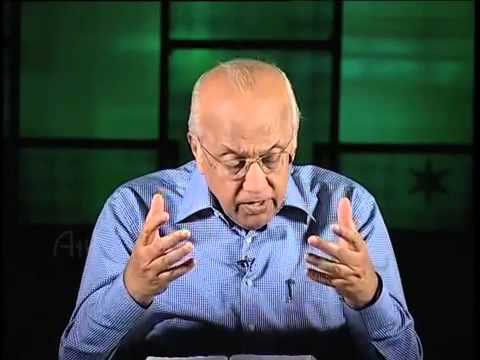
The sermon analyzes Jesus' teachings through his life and words, focusing on examples like Peter's denial and Jesus' silence before Pilate. The speaker emphasizes that true repentance must be directed only to God, not to religious leaders. Furthermore, he advises Christians to follow Jesus' example by remaining silent when falsely accused by fellow believers or religious figures.
Outline
The message in plain words, in the order it unfolds. Select a time to jump the video to that moment.
Why did Judas feel remorse?Judas realized Jesus was condemned to death, expecting that Jesus would escape as he had done many times before, and was filled with guilt.
The mistake of going to the priests instead of ChristJudas confessed his sin to the religious leaders rather than going directly to Jesus, missing the opportunity for repentance and mercy.
Why people go to hellPeople do not perish because they sin, since all sins were paid for on the cross, but because they refuse to repent of their sin.
Where sin should be confessedSin must be confessed directly to God, except when we have personally hurt another individual, in which case we must seek reconciliation.Matthew 5:23–24
The religious leaders buy the potter's fieldThe corrupt religious leaders refused to put the blood money back into the temple treasury and instead purchased a burial place for strangers.
Answering questions while remaining silent to false accusationsJesus answered when asked about his identity, but he remained completely silent when faced with false accusations from religious leaders.
Pilate is amazed by Jesus' silencePilate was astonished that Jesus did not answer a single charge brought against him by the crowd and leaders.Matthew 27:14
Following Christ's footsteps in sufferingBelievers are called to follow Christ's example, who committed no deceit, uttered no threats, and entrusted himself to the righteous judge.1 Peter 2:21
Releasing Jesus and choosing BarabbasPilate offered to release Jesus or the notorious criminal Barabbas, but the crowd, persuaded by the leaders, demanded Barabbas and shouted for Jesus to be crucified.
Pilate washes his handsSeeking to appease the crowd and avoid a riot, Pilate washed his hands to claim innocence, released Barabbas, and handed Jesus over to be crucified.
The soldiers mock JesusRoman soldiers stripped Jesus, put a scarlet robe on him, placed a crown of thorns on his head, mocked him, and beat him.
Bearing the cross voluntarilyWhile Simon of Cyrene was forced to carry the cross, following Jesus and taking up our cross is always a voluntary choice.
Refusing the drugged wineJesus tasted the wine mingled with gall but refused to drink it because he needed to remain fully alert to fulfill his mission on the cross.
Why Jesus needed to stay alertStaying clear-headed allowed Jesus to forgive his executioners, care for his mother, and offer salvation to the repentant thief.
The secret of the Christian lifeThe ultimate goal of the Christian life is to learn sensitivity and obedience to the leading of the Holy Spirit in every circumstance.
The sermon analyzes Jesus' teachings through his life and words, focusing on examples like Peter's denial and Jesus' silence before Pilate. The speaker emphasizes that true repentance must be directed only to God, not to religious leaders. Furthermore, he advises Christians to follow Jesus' example by remaining silent when falsely accused by fellow believers or religious figures.
Outline
The message in plain words, in the order it unfolds. Select a time to jump the video to that moment.
Why did Judas feel remorse?Judas realized Jesus was condemned to death, expecting that Jesus would escape as he had done many times before, and was filled with guilt.
The mistake of going to the priests instead of ChristJudas confessed his sin to the religious leaders rather than going directly to Jesus, missing the opportunity for repentance and mercy.
Why people go to hellPeople do not perish because they sin, since all sins were paid for on the cross, but because they refuse to repent of their sin.
Where sin should be confessedSin must be confessed directly to God, except when we have personally hurt another individual, in which case we must seek reconciliation.Matthew 5:23–24
The religious leaders buy the potter's fieldThe corrupt religious leaders refused to put the blood money back into the temple treasury and instead purchased a burial place for strangers.
Answering questions while remaining silent to false accusationsJesus answered when asked about his identity, but he remained completely silent when faced with false accusations from religious leaders.
Pilate is amazed by Jesus' silencePilate was astonished that Jesus did not answer a single charge brought against him by the crowd and leaders.Matthew 27:14
Following Christ's footsteps in sufferingBelievers are called to follow Christ's example, who committed no deceit, uttered no threats, and entrusted himself to the righteous judge.1 Peter 2:21
Releasing Jesus and choosing BarabbasPilate offered to release Jesus or the notorious criminal Barabbas, but the crowd, persuaded by the leaders, demanded Barabbas and shouted for Jesus to be crucified.
Pilate washes his handsSeeking to appease the crowd and avoid a riot, Pilate washed his hands to claim innocence, released Barabbas, and handed Jesus over to be crucified.
The soldiers mock JesusRoman soldiers stripped Jesus, put a scarlet robe on him, placed a crown of thorns on his head, mocked him, and beat him.
Bearing the cross voluntarilyWhile Simon of Cyrene was forced to carry the cross, following Jesus and taking up our cross is always a voluntary choice.
Refusing the drugged wineJesus tasted the wine mingled with gall but refused to drink it because he needed to remain fully alert to fulfill his mission on the cross.
Why Jesus needed to stay alertStaying clear-headed allowed Jesus to forgive his executioners, care for his mother, and offer salvation to the repentant thief.
The secret of the Christian lifeThe ultimate goal of the Christian life is to learn sensitivity and obedience to the leading of the Holy Spirit in every circumstance.