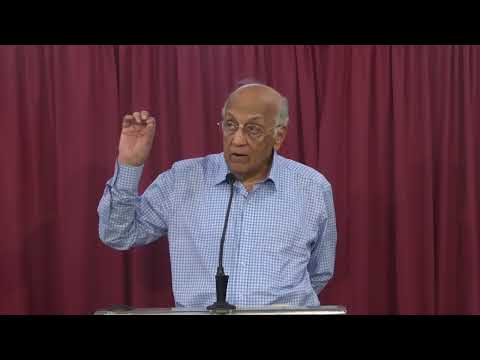
Speaker: Zac Poonen
Title: Judging Ourselves at the Lord's Table
Date: 08/04/2024
Our Goal as Christians is this: To be an exact reflection of Jesus, the Son of God (Romans 8:29)
We do this individually by growing in purity in our personal lives (1 John 3:2-3)
We do this corporately by becoming fully functioning members of a local Church (Ephesians 4:11-16)
Summary
Zac Poonen teaches that partaking of the Lord's Table requires honest self-judgment in two dimensions: vertically with God (examining our conscience for hidden sin and unrepentance) and horizontally with others in the church body (ensuring we have reconciled with fellow believers). He emphasizes that each person must judge only themselves, not others, and that this practice protects us from God's discipline and allows us to participate worthily in the bread and cup.
Outline
The message in plain words, in the order it unfolds. Select a time to jump the video to that moment.
The two relationships of the crossThe cross has two poles, vertical and horizontal, speaking of our relationship with God and with one another.
Why we must judge ourselvesFirst Corinthians instructs us to judge ourselves so that we are not disciplined or condemned by the Lord.1 Corinthians 11:28
An individual responsibilityEach person must examine themselves individually rather than trying to judge their spouse or anyone else.
Listening to the conscienceGod has given us a conscience to show us our wrongs, and we must not fight against it or try to justify ourselves.
Asking 'Lord, is it I?'Like the disciples at the Last Supper, our question during communion should be whether we are the ones who need to change.
Looking in the mirror of God's wordJudging ourselves is like looking in a mirror to see our flaws, which requires repentance and the blood of Christ to remove.James 1:23
The two greatest commandmentsJesus summarized the law as loving God with all our heart and loving our neighbors as He loved us.
Checking the vertical directionWe must examine if there is anything secret between us and God that our conscience is bothering us about, and be sincere in making it right.
Checking the horizontal directionWe must also check if there is any unresolved issue between us and anyone else breaking bread with us.
Sharing in the body of ChristPartaking of the one bread signifies that we are one body, where a broken bone or dislocated relationship causes constant awareness until it is fixed.1 Corinthians 10:16
Being sensitive to the Holy SpiritWe should listen to the Holy Spirit and set things right with others before taking part in communion so we may partake worthily.
Speaker: Zac Poonen
Title: Judging Ourselves at the Lord's Table
Date: 08/04/2024
Our Goal as Christians is this: To be an exact reflection of Jesus, the Son of God (Romans 8:29)
We do this individually by growing in purity in our personal lives (1 John 3:2-3)
We do this corporately by becoming fully functioning members of a local Church (Ephesians 4:11-16)
Summary
Zac Poonen teaches that partaking of the Lord's Table requires honest self-judgment in two dimensions: vertically with God (examining our conscience for hidden sin and unrepentance) and horizontally with others in the church body (ensuring we have reconciled with fellow believers). He emphasizes that each person must judge only themselves, not others, and that this practice protects us from God's discipline and allows us to participate worthily in the bread and cup.
Outline
The message in plain words, in the order it unfolds. Select a time to jump the video to that moment.
The two relationships of the crossThe cross has two poles, vertical and horizontal, speaking of our relationship with God and with one another.
Why we must judge ourselvesFirst Corinthians instructs us to judge ourselves so that we are not disciplined or condemned by the Lord.1 Corinthians 11:28
An individual responsibilityEach person must examine themselves individually rather than trying to judge their spouse or anyone else.
Listening to the conscienceGod has given us a conscience to show us our wrongs, and we must not fight against it or try to justify ourselves.
Asking 'Lord, is it I?'Like the disciples at the Last Supper, our question during communion should be whether we are the ones who need to change.
Looking in the mirror of God's wordJudging ourselves is like looking in a mirror to see our flaws, which requires repentance and the blood of Christ to remove.James 1:23
The two greatest commandmentsJesus summarized the law as loving God with all our heart and loving our neighbors as He loved us.
Checking the vertical directionWe must examine if there is anything secret between us and God that our conscience is bothering us about, and be sincere in making it right.
Checking the horizontal directionWe must also check if there is any unresolved issue between us and anyone else breaking bread with us.
Sharing in the body of ChristPartaking of the one bread signifies that we are one body, where a broken bone or dislocated relationship causes constant awareness until it is fixed.1 Corinthians 10:16
Being sensitive to the Holy SpiritWe should listen to the Holy Spirit and set things right with others before taking part in communion so we may partake worthily.