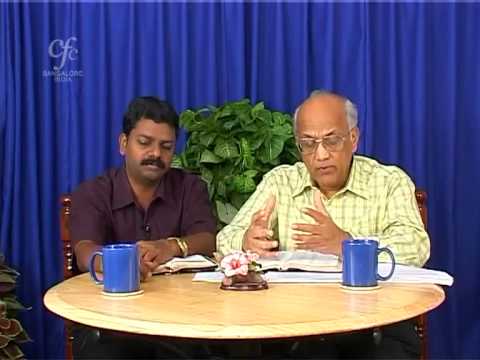
Through The Bible - Tamil - 30 (Hosea & Joel) by Zac Poonen
Summary
The sermon uses the prophet Hosea's life—marrying an unfaithful woman—to illustrate the theme of spiritual adultery, which the speaker equates with worldliness and the love of money. The central message is that God's love for His people, like His love for Hosea's wife, is enduring and compassionate, even when they stray. True discipleship requires a deep, loving relationship with Christ, and the speaker emphasizes that the Bible is the necessary knowledge to discern truth from false teaching.
Outline
The message in plain words, in the order it unfolds. Select a time to jump the video to that moment.
What is the book of Hosea about?Hosea is the first of the twelve Minor Prophets, and his main message addresses spiritual adultery and God's unchanging love for His people.
Spiritual adultery in the church todayJames 4:4 and 1 John 2:15-17 describe worldliness and loving money or sinful pleasures as spiritual adultery, making Hosea's message vital for modern Christian churches.James 4:41 John 2:15–17
The painful price Hosea paid to preachGod commanded Hosea to marry an unfaithful woman and keep loving her even after she was sold as a slave, letting the prophet experience the heartbreak God felt toward unfaithful Israel.
The marks of a true prophetA true prophet of God will always preach holiness while also speaking of God's unchanging and passionate love, exemplified in verses like Hosea 11:8.Hosea 11:8
Returning to God out of love, not just needIsrael often returned to God only because of desperate needs rather than genuine love, yet God desires a tender husband-wife relationship with His people.
God's case against ungodly leadersHosea 4:1-7 points out that lack of faithfulness and knowledge destroys God's people, often because leaders and preachers have fallen into the idol of loving money.
Half-baked devotion and false joyBelievers who mingle worldly methods and values with God's word are like half-baked cakes, and they have no right to rejoice when sin remains in their lives.
Introduction to the book of JoelStudying neglected Old Testament books like Joel protects believers from calamities and sin by teaching us from the history of God's dealings with His people.
How to view natural calamitiesWhile natural disasters stem from Adam's sin, every calamity is an opportunity to search our hearts and ask if God is trying to speak to us.
The plague of locusts and lost joyJoel calls out to a self-confident, indifferent people whose spiritual fruit and joy have been devoured by locusts, urging them to weep and fast before God.
Exposing commercialized religionModern Christian preachers who exploit ministry for wealth and personal luxury bring a reproach upon the name of Jesus Christ, failing to act as true prophets.
The promise of the Holy Spirit's outpouringIf God's people turn from sin and fast, the Lord promises to restore what the locusts ate and pour out His Spirit, as quoted by Peter on the day of Pentecost in Acts 2.
The final judgment and valley of decisionMultitudes currently in the valley of decision face an eternal fate, and God will ultimately judge the world and avenge the blood of His faithful people.