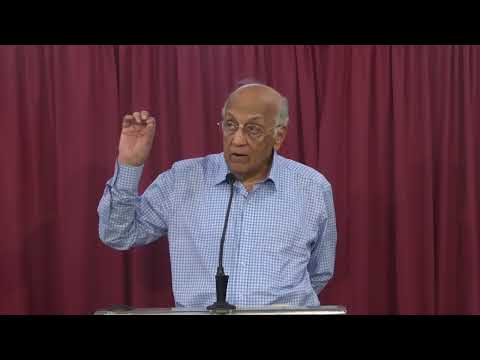
Speaker: Zac Poonen
Title: Receiving the Bread and Cup in Jesus’ Presence
Date: 03/01/2026
Our Goal as Christians is this: To be an exact reflection of Jesus, the Son of God (Romans 8:29)
We do this individually by growing in purity in our personal lives (1 John 3:2-3)
We do this corporately by becoming fully functioning members of a local Church (Ephesians 4:11-16)
Summary
Zac Poonen teaches on the proper observance of communion, emphasizing self-examination before partaking of bread and cup. He stresses that believers must judge themselves rather than others, warns against the sin of passing judgment on people outside one's authority, and encourages focusing on Christ's presence during the breaking of bread as a means of spiritual growth toward holiness.
Outline
The message in plain words, in the order it unfolds. Select a time to jump the video to that moment.
The meaning of the broken breadPartaking in the one bread testifies that we are one body in Christ.1 Corinthians 11:28
The temptation to judge othersHuman nature tends toward examining the righteousness of others, but we are commanded to examine ourselves instead.
The consequences of failing to judge rightlyFailing to examine oneself and instead judging others can lead to weakness, sickness, and even death within the church.
Concentrating on the presence of ChristWe should strive to be truly aware of Jesus' real presence in our midst when we gather.
Limiting our judgment to our appointed circleWe should only exercise judgment within the specific circles of responsibility God has given us, such as our families or our roles as elders.
Speaker: Zac Poonen
Title: Receiving the Bread and Cup in Jesus’ Presence
Date: 03/01/2026
Our Goal as Christians is this: To be an exact reflection of Jesus, the Son of God (Romans 8:29)
We do this individually by growing in purity in our personal lives (1 John 3:2-3)
We do this corporately by becoming fully functioning members of a local Church (Ephesians 4:11-16)
Summary
Zac Poonen teaches on the proper observance of communion, emphasizing self-examination before partaking of bread and cup. He stresses that believers must judge themselves rather than others, warns against the sin of passing judgment on people outside one's authority, and encourages focusing on Christ's presence during the breaking of bread as a means of spiritual growth toward holiness.
Outline
The message in plain words, in the order it unfolds. Select a time to jump the video to that moment.
The meaning of the broken breadPartaking in the one bread testifies that we are one body in Christ.1 Corinthians 11:28
The temptation to judge othersHuman nature tends toward examining the righteousness of others, but we are commanded to examine ourselves instead.
The consequences of failing to judge rightlyFailing to examine oneself and instead judging others can lead to weakness, sickness, and even death within the church.
Concentrating on the presence of ChristWe should strive to be truly aware of Jesus' real presence in our midst when we gather.
Limiting our judgment to our appointed circleWe should only exercise judgment within the specific circles of responsibility God has given us, such as our families or our roles as elders.