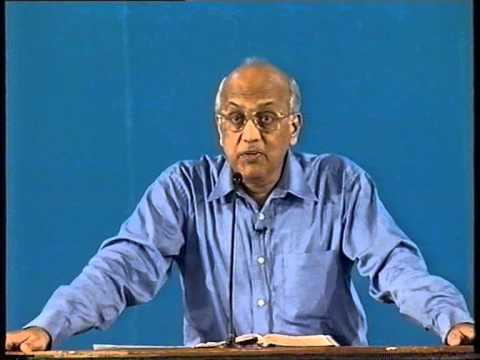
Through The Bible - English - 44 (Acts-1) by Zac Poonen
Summary
The sermon analyzes Acts 1, emphasizing that the Christian life follows the pattern of Jesus first doing and then teaching. The speaker cautions against focusing on earthly blessings or understanding times and seasons, urging instead to seek the power of the Holy Spirit. True power empowers one's specific calling—whether it's motherhood, teaching, or ministry—rather than transforming one into a different role.
Outline
The message in plain words, in the order it unfolds. Select a time to jump the video to that moment.
What is the subject of Acts of the Apostles?The speaker explains that Luke's gospel is all that Jesus began to do and teach, while Acts is all that Jesus continued to do and teach through His disciples.
Jesus first did then taughtFollowing Jesus's principle of doing before teaching sets a high standard for New Covenant leadership, unlike Old Covenant leaders who could fall and retain leadership.
The earthly mind versus the heavenly promiseWhen promised the baptism in the Holy Spirit, the disciples immediately thought of restoring an earthly kingdom to Israel, reflecting an old Covenant mindset.
It is not for you to know times or seasonsJesus tells the disciples that knowing times and seasons is in God's hands, and instead instructs them to focus on receiving the power of the Holy Spirit.
The identifying mark of the Holy Spirit is powerJesus states that believers shall receive power when the Holy Spirit comes upon them, and this power manifests differently according to each person's specific ministry calling.
Witnesses of Jesus' resurrectionWhen looking for a replacement for Judas, the disciples sought a witness of Jesus' resurrection rather than just His crucifixion, distinguishing the complete gospel message.
Waiting for the power from on highThe disciples waited in Jerusalem for ten days without knowing when the waiting period would end, illustrating that true faith does not know the end of the waiting period.
Tongues versus powerThe speaker warns against the extreme of seeking tongues without power, comparing tongues to a free mug that comes with the essential coffee.
The tongue set on fireThe tongues of fire on the believers' heads signify that the tongue is the most important part of the body to be placed under the continuous control of the Holy Spirit.
Delivered up by the predetermined plan of GodPeter preaches that Jesus' crucifixion happened according to the predetermined plan and foreknowledge of God, showing that God can turn the worst evils into the best outcomes.
Peter's first gospel messagePeter uncompromisingly preaches that people must repent, be baptized, and receive the gift of the Holy Spirit, continuing in the apostles' teaching and fellowship.
Healing the lame man by the Spirit's leadingPeter and John heal a man lame from birth at the beautiful gate, demonstrating how to live by the leading of the Holy Spirit rather than rigid legalistic rules.
The unity of the early churchThe early believers were of one heart and soul, sharing their possessions and ensuring that not a single needy person was among them.
The sin of Ananias and SapphiraAnanias and Sapphira are judged for hypocrisy because they lied and pretended to give all the proceeds from their land when they only gave a portion.
Rejoicing in suffering for Christ's nameAfter being flogged for preaching, the apostles rejoice that they were considered worthy to suffer shame for the name of Jesus.
Choosing the seven to serve tablesTo handle complaints regarding food distribution without neglecting prayer and the ministry of the word, the apostles select seven Spirit-filled men, including Stephen and Philip.
Stephen's martyrdom and Godly reactionStephen preaches to the council, and as he is stoned to death, he gazes into heaven and forgives his killers, leaving an impression that contributes to Saul's conversion.
Philip in Samaria and Simon the magicianPhilip preaches in Samaria with great revival, and Simon the magician attempts to buy the power of the Holy Spirit with money, earning Peter's stern rebuke.
The conversion of Saul on the Damascus roadSaul encounters Jesus on the road to Damascus, asking the two vital questions of his life: who the Lord is and what He wants him to do.
Ananias sent to SaulThe Lord sends Ananias to pray for Saul so that he might regain his sight and be filled with the Holy Spirit, demonstrating how God prepares people step by step.
Saul's escape in a basketWhen his life is threatened in Damascus, Saul escapes in a basket through a window, experiencing God's sovereign control through humbling circumstances.