Visit our website for more information: www.cfcindia.com
Summary
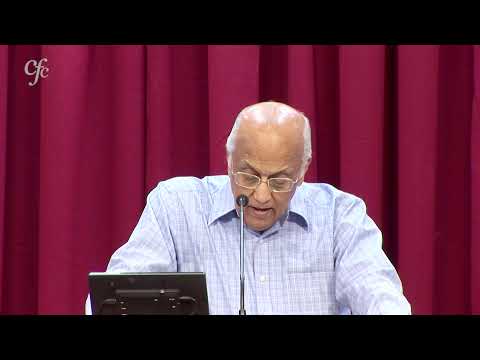
The speaker uses the breaking of bread as a symbol for commitment to the Body of Christ, emphasizing that true membership requires active participation, not just receiving benefits. He warns against spiritual passivity, comparing inactive members to paralyzed body parts that burden others. Ultimately, he encourages believers to assess their contributions by asking what they have done for the church, drawing inspiration from the woman who poured out expensive ointment.
Outline
The message in plain words, in the order it unfolds. Select a time to jump the video to that moment.
Breaking bread as a symbol of commitmentThe speaker argues that careful reading of the Bible reveals that the breaking of bread is fundamentally about our shared commitment to one another.1 Corinthians 10:15–16
Partaking in the local bodyBreaking bread is not about a global abstraction of believers, but specifically about declaring our unity and commitment to the local fellowship where we gather.
The danger of being a paralyzed memberUsing the analogy of a paralyzed hand, the speaker warns against members who receive all the benefits and nourishment from the church without contributing anything to the body.
The double meaning of the body of ChristBreaking bread testifies to two realities: our connection to Jesus' physical death on the cross and our active membership in the local church He has built.
An examination of what we have done for the churchThe speaker challenges believers to compare everything they have received from the church against what they have actually contributed, urging them to move past selfishness.
Do not offer what costs you nothingUsing David's words from 2 Samuel, the speaker encourages believers to avoid religious activities that require no personal sacrifice or inconvenience.
The value of sacrifice in serviceGiving to God should involve giving up our own plans, time, or sleep; such sacrifices are never a loss because God rewards those who serve Him.
The model of the bodyTrue commitment is like the organs in a human body that work tirelessly without seeking credit or honor.
An honest audit of your serviceBelievers should list what they have received from the church versus what they have contributed to see if they are merely consumers.
The necessity of spiritual growthJust as a living seed grows into a tree while a stone remains unchanged, true salvation must result in active service and spiritual development.
Visit our website for more information: www.cfcindia.com
Summary
The speaker uses the breaking of bread as a symbol for commitment to the Body of Christ, emphasizing that true membership requires active participation, not just receiving benefits. He warns against spiritual passivity, comparing inactive members to paralyzed body parts that burden others. Ultimately, he encourages believers to assess their contributions by asking what they have done for the church, drawing inspiration from the woman who poured out expensive ointment.
Outline
The message in plain words, in the order it unfolds. Select a time to jump the video to that moment.
Breaking bread as a symbol of commitmentThe speaker argues that careful reading of the Bible reveals that the breaking of bread is fundamentally about our shared commitment to one another.1 Corinthians 10:15–16
Partaking in the local bodyBreaking bread is not about a global abstraction of believers, but specifically about declaring our unity and commitment to the local fellowship where we gather.
The danger of being a paralyzed memberUsing the analogy of a paralyzed hand, the speaker warns against members who receive all the benefits and nourishment from the church without contributing anything to the body.
The double meaning of the body of ChristBreaking bread testifies to two realities: our connection to Jesus' physical death on the cross and our active membership in the local church He has built.
An examination of what we have done for the churchThe speaker challenges believers to compare everything they have received from the church against what they have actually contributed, urging them to move past selfishness.
Do not offer what costs you nothingUsing David's words from 2 Samuel, the speaker encourages believers to avoid religious activities that require no personal sacrifice or inconvenience.
The value of sacrifice in serviceGiving to God should involve giving up our own plans, time, or sleep; such sacrifices are never a loss because God rewards those who serve Him.
The model of the bodyTrue commitment is like the organs in a human body that work tirelessly without seeking credit or honor.
An honest audit of your serviceBelievers should list what they have received from the church versus what they have contributed to see if they are merely consumers.
The necessity of spiritual growthJust as a living seed grows into a tree while a stone remains unchanged, true salvation must result in active service and spiritual development.