Library
Browse
Latest messages
2,328 messages
 3m 49s
Zac Poonen Illustrations - Cast All Your Burdens On Jesus
Zac Poonen · Apr 1
 1m 9s
1m 9sZac Poonen Illustrations - Faith & Repentance
Zac Poonen · Apr 1
 1m 26s
Zac Poonen Illustrations - Grace And Mercy
Zac Poonen · Apr 1
 1m 47s
Zac Poonen Illustrations - Grace To The Humble
Zac Poonen · Apr 1
 1m 59s
Zac Poonen Illustrations - Hatred For Sin
Zac Poonen · Apr 1
 1m 47s
Zac Poonen Illustrations - Judge Paying The Penalty For His Son
Zac Poonen · Apr 1
 1m 5s
1m 5sZac Poonen Illustrations - Loving God More Than Everyone
Zac Poonen · Apr 1
 2m 30s
Zac Poonen Illustrations - Preserving Our Love For God
Zac Poonen · Apr 1
 5m
5mZac Poonen Illustrations - Set Your Mind On Things Above
Zac Poonen · Apr 1
 41s
41sZac Poonen Illustrations - The Authority Of Jesus
Zac Poonen · Apr 1
 6m
6mCast All Your Burdens On Jesus | ನಿಮ್ಮ ಎಲ್ಲಾ ಭಾರವನ್ನು ಯೇಸುವಿನ ಮೇಲೆ ಹಾಕಿರಿ | Zac Poonen Illustrations
Zac Poonen · Mar 31
 1m 3s
1m 3sZac Poonen Illustrations - The Blackboard Of Encouragement
Zac Poonen · Mar 31
 2m 13s
Zac Poonen Illustrations - The Blessing Of Abraham
Zac Poonen · Mar 31
 4m 16s
Zac Poonen Illustrations - The Cup That Jesus Drank
Zac Poonen · Mar 31
 1m 11s
Zac Poonen Illustrations - The Factory Worker Who Messed Up
Zac Poonen · Mar 31
 2m
2mZac Poonen Illustrations - The Grace Of God
Zac Poonen · Mar 31
 2m 6s
2m 6sZac Poonen Illustrations - The Prick Of Conscience
Zac Poonen · Mar 31
 1m 56s
Zac Poonen Illustrations - The Secret Of Remaining In Humility
Zac Poonen · Mar 31
 4m 4s
4m 4sZac Poonen Illustrations - The True Mark Of Repentance
Zac Poonen · Mar 31
 3m 49s
Zac Poonen Illustrations - The Vaccine For Sin
Zac Poonen · Mar 31
 6m
6mZac Poonen Illustrations - Three Spiritual Marriages
Zac Poonen · Mar 31
 1m 26s
Zac Poonen Illustrations - Two Types Of Christians
Zac Poonen · Mar 31
 1m 57s
Zac Poonen Illustrations - Valuing God More Than Everything
Zac Poonen · Mar 31
 3m 33s
Zac Poonen Illustrations - We Bring Nothing Into The World And Take Nothing When We Leave
Zac Poonen · Mar 31
August 4 | Daily Devotion | The Mark Of New Covenant Blessing Is Not Wealth And Health | Zac Poonen
Zac Poonen · 11m · CFC Daily Devotions
True blessing under the New Covenant is not measured by material wealth and health, but by spiritual transformation and union with Christ. The mark of God's blessing is internal holiness and a clear vision of Christ, not external prosperity.
3m 49sCFC India
Zac Poonen Illustrations - Cast All Your Burdens On Jesus
Zac Poonen · Apr 1, 2020 · 3m 49s
The speaker encourages listeners to realize that many burdens they carry are self-imposed, not given by the Lord. He emphasizes that just as Jesus took the immense burden of sin, He is capable of lifting every other weight we carry. The central message is to make a habit of coming to Jesus personally, rather than just relying on scripture verses or promises.
1m 9sCFC India
Zac Poonen Illustrations - Faith & Repentance
Zac Poonen · Apr 1, 2020 · 1m 9s
The central message is that salvation requires both repentance and faith, as illustrated by the necessity of two connected wires to complete an electrical circuit. The speaker emphasizes that having either repentance or faith alone is insufficient for salvation; both must be present together for the light of God's saving power to come on.
1m 26sCFC India
Zac Poonen Illustrations - Grace And Mercy
Zac Poonen · Apr 1, 2020 · 1m 26s
The sermon uses the analogy of mountain climbing to illustrate the difference between receiving mercy after a fall and receiving grace in the moment of need. It emphasizes that while mercy forgives sin after the fact, grace is the proactive help that lifts us up when we are struggling and about to fail. The central message is the necessity of crying out to God for grace while we are still in the struggle.
1m 47sCFC India
Zac Poonen Illustrations - Grace To The Humble
Zac Poonen · Apr 1, 2020 · 1m 47s
The speaker argues that grace is not unmerited favor, but rather something that must be merited through humility. He uses the analogy of water flowing to the lowest point to illustrate that the humbler one receives the most grace. Jesus is cited as an example of receiving tremendous grace because of His humility.
1m 59sCFC India
Zac Poonen Illustrations - Hatred For Sin
Zac Poonen · Apr 1, 2020 · 1m 59s
The speaker urges believers to develop a desperate passion for being filled with the Holy Spirit, warning against complacency in their Christian walk. He challenges listeners to actively pray and cry out to God to be delivered from sin, anger, and lust, rather than treating the cleansing power of Christ's blood lightly. True evidence of the risen Christ living within is a deep hatred for sin and an immediate desire to confess and cleanse oneself.
1m 47sCFC India
Zac Poonen Illustrations - Judge Paying The Penalty For His Son
Zac Poonen · Apr 1, 2020 · 1m 47s
The speaker uses the illustration of a judge paying a fine for his son to explain God's justice and grace. He emphasizes that sin is serious in God's eyes, but God provided the payment through Jesus Christ, who took the penalty for our sins. The message concludes that the only thing left for us to do is to freely receive this gift of salvation.
1m 5sCFC India
Zac Poonen Illustrations - Loving God More Than Everyone
Zac Poonen · Apr 1, 2020 · 1m 5s
The speaker uses the analogy of stars and the sun to illustrate the relative magnitude of love. He argues that while love for family and church members is important, it must be compared to the love of Jesus. Just as the sun's brightness makes the stars nearly invisible, the overwhelming light of Christ's love should eclipse all other affections.
2m 30sCFC India
Zac Poonen Illustrations - Preserving Our Love For God
Zac Poonen · Apr 1, 2020 · 2m 30s
Jesus warns that no servant can serve two masters, clarifying that the two masters are God and wealth, not God and Satan. The speaker emphasizes that attempting to serve both God and money is impossible because the servant will inevitably hate one while loving the other. He warns that those who live in this dual allegiance possess the spirit of a harlot.
5mCFC India
Zac Poonen Illustrations - Set Your Mind On Things Above
Zac Poonen · Apr 1, 2020 · 5m
The central message warns against setting one's mind on earthly things, particularly money, which can become an idol and lead to spiritual failure. The speaker uses the analogy of a rubber band to illustrate that while Christians must engage with earthly responsibilities, their focus must ultimately spring back to heavenly things and God's Word. True discipleship means prioritizing God's kingdom and righteousness in all aspects of life.
41sCFC India
Zac Poonen Illustrations - The Authority Of Jesus
Zac Poonen · Apr 1, 2020 · 41s
The true measure of spiritual life is not one's personal spirituality, but whether one utilizes the authority vested in the name of Jesus Christ. This authority is compared to a small policeman stopping ten massive trucks, illustrating that the source of power, not the size of the person, matters. Believers are encouraged to exercise this divine authority and no longer live in fear of the devil.
6mCFC India
Cast All Your Burdens On Jesus | ನಿಮ್ಮ ಎಲ್ಲಾ ಭಾರವನ್ನು ಯೇಸುವಿನ ಮೇಲೆ ಹಾಕಿರಿ | Zac Poonen Illustrations
Zac Poonen · Mar 31, 2020 · 6m
The central message is that believers should not carry burdens that the Lord never gave them, as Jesus invites us to cast all our burdens upon Him. The speaker emphasizes that while the burden of sin is the most difficult, Jesus's sacrifice on the cross proves that all other burdens are lighter when placed at His feet. We must make it a habit to come to Jesus for rest.
1m 3sCFC India
Zac Poonen Illustrations - The Blackboard Of Encouragement
Zac Poonen · Mar 31, 2020 · 1m 3s
The speaker advises that before correcting a brother, one must first offer encouragement. He uses the analogy of a blackboard: encouragement builds the board, allowing correction to be visible, whereas criticizing without prior encouragement is like writing in thin air that the person cannot see.
2m 13sCFC India
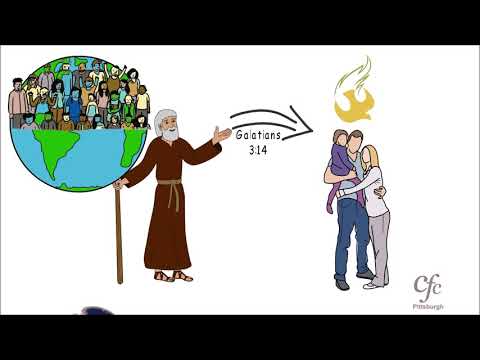
Zac Poonen Illustrations - The Blessing Of Abraham
Zac Poonen · Mar 31, 2020 · 2m 13s
The central message is that the blessing of Abraham, which promises that all families of the earth will be blessed through one, is received when a person is filled with the Holy Spirit. This fullness is not primarily about speaking in tongues or physical healing, but rather equipping the believer to be a blessing to every family and person they encounter. The speaker compares this blessing to a noticeable, heavenly perfume that permeates every place the believer goes.
4m 16sCFC India
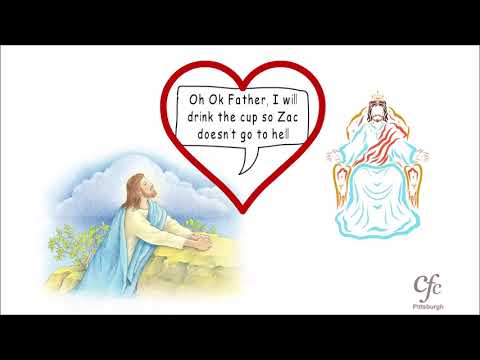
Zac Poonen Illustrations - The Cup That Jesus Drank
Zac Poonen · Mar 31, 2020 · 4m 16s
The central message emphasizes valuing one's fellowship with the Father above all earthly possessions, health, or even life itself. The speaker uses Jesus's experience in Gethsemane, where he was offered a way to avoid the cross, to illustrate this point. Ultimately, Jesus chose to drink the cup of broken fellowship to save Zacchaeus from eternal hell, highlighting the profound, never-to-be-lost wonder of God's love.
1m 11sCFC India
Zac Poonen Illustrations - The Factory Worker Who Messed Up
Zac Poonen · Mar 31, 2020 · 1m 11s
The speaker uses the analogy of a factory worker who repeatedly messes up machines, culminating in a major mistake. Instead of being fired, the owner appoints him as a general manager with a much higher salary. This illustrates that God's grace, specifically being filled with the Holy Spirit, is given to people at their lowest point, not just to those who deserve it.
2mCFC India
Zac Poonen Illustrations - The Grace Of God
Zac Poonen · Mar 31, 2020 · 2m
The speaker shares an illustration about a man facing a trial, symbolized by a rock beneath a river, which he prayed to God to remove. God responded not by removing the obstacle, but by raising the water level so the man could pass through it. The central message is that God's grace is sufficient, enabling us to become overcomers even when problems or enemies remain present.
2m 6sCFC India
Zac Poonen Illustrations - The Prick Of Conscience
Zac Poonen · Mar 31, 2020 · 2m 6s
The speaker compares the prick of conscience to physical pain, arguing that this discomfort is a blessing because it alerts us to wrongdoing. Just as physical pain prevents infection and amputation, the pain of conscience warns us of sin. If we ignore this discomfort, we will eventually lose the ability to hear our conscience.
1m 56sCFC India
Zac Poonen Illustrations - The Secret Of Remaining In Humility
Zac Poonen · Mar 31, 2020 · 1m 56s
The secret to remaining humble is to walk with Jesus Christ daily. The speaker emphasizes that by starting the day by connecting with Jesus, one can maintain a spirit of humility and brokenness. He encourages the audience to seek this constant companionship with Christ, as it prevents pride and keeps God's grace upon one's life.
4m 4sCFC India
Zac Poonen Illustrations - The True Mark Of Repentance
Zac Poonen · Mar 31, 2020 · 4m 4s
True repentance is not ceasing to sin, as that will not happen until Christ returns. Instead, it is a fundamental change in one's attitude toward sin, where the believer actively rejects it. To strengthen the 'new man' and resist temptation, one must actively engage in spiritual disciplines like reading scripture, confessing sins, and seeking the Holy Spirit's guidance.
3m 49sCFC India
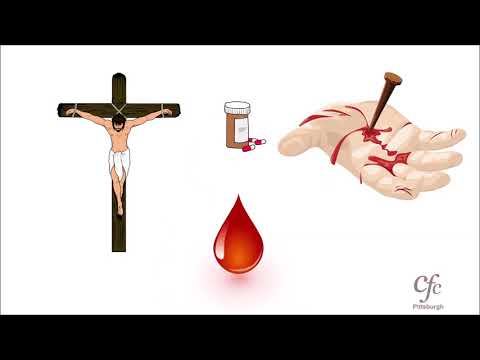
Zac Poonen Illustrations - The Vaccine For Sin
Zac Poonen · Mar 31, 2020 · 3m 49s
The speaker compares the cleansing power of Jesus' blood for sin to a cure for a disease, noting that people often take such miracles for granted. He then draws a parallel between a cure and a vaccine, arguing that God's grace acts as a preventative measure against sin, much like a vaccination prevents illness. Believers should recognize and embrace this preventative grace to live righteously and be a blessing in the church.
6mCFC India
Zac Poonen Illustrations - Three Spiritual Marriages
Zac Poonen · Mar 31, 2020 · 6m
The sermon uses the metaphor of three 'marriages' to illustrate spiritual progress: first, being bound to the old self; second, being bound to the law, which demands impossible perfection; and finally, being married to Christ. While Christ's standards are also high, the key difference is that He works *with* us as co-workers, offering grace and partnership rather than simply demanding flawless adherence to rules.
1m 26sCFC India
Zac Poonen Illustrations - Two Types Of Christians
Zac Poonen · Mar 31, 2020 · 1m 26s
The speaker illustrates two types of Christians using an analogy of exam scores. One type is content with simply knowing their sins are forgiven and heading to heaven, while the other is deeply concerned with perfecting their character, such as confessing small bitternesses against others. The speaker suggests that the second type, who seeks an indestructible life through self-examination, is the one who will build the church.
1m 57sCFC India
Zac Poonen Illustrations - Valuing God More Than Everything
Zac Poonen · Mar 31, 2020 · 1m 57s
The speaker uses an illustration comparing the effort spent searching for a small coin versus a large sum of money to illustrate how people often treat God. He argues that many people treat God as if He is a small, easily forgotten item, but if God is made the most valuable thing in one's life, He will be found every time He is needed.
3m 33sCFC India
Zac Poonen Illustrations - We Bring Nothing Into The World And Take Nothing When We Leave
Zac Poonen · Mar 31, 2020 · 3m 33s
The central message is that life is temporary, mirroring the illustration of a child visiting someone else's house. Just as the child must leave everything behind when the mother leaves, we must remember that we came into this world with nothing and must leave it all behind. True faith means living with open hands, recognizing that nothing we possess—be it money, property, or even relationships—is truly ours to grasp.