Library
Browse
Latest messages
248 messages
 52m
52mThe Promise Of The Holy Spirit - Ian Robson
Ian Robson · Sep 16
 1h 56m
The Message of Pilgrim's Progress (In Tamil) - Zac Poonen
Zac Poonen · Jul 15
 1h 1m
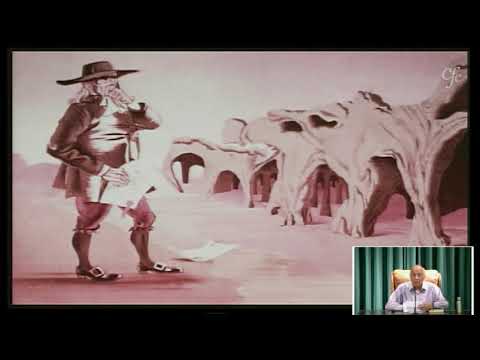
1h 1mThe Message of "Pilgrim's Progress" (for Children) - Zac Poonen
Zac Poonen · Jun 6
 54m
54mSeek To Walk The Narrow Way Always - Zac Poonen
Zac Poonen · Jun 5
 7m
7mIllustrations - Zac Poonen
Zac Poonen · Jan 11
 1h 0m
1h 0mHow Sin First Came | ಹೇಗೆ ಪಾಪವು ಮೊದಲು ಬಂದಿತು | Zac Poonen | Kannada
Zac Poonen · Dec 21
 53m
53mThe Perils Of Unbelief - Ian Robson
Ian Robson · Nov 13
 55m
55mFrom Hero To Zero And Hero Again - Charles Banna
Charles Banna · Oct 1
 24m
24mAll That Jesus Taught (Bible Study – 26 of 80) - Zac Poonen (with Romanian Subtitles)
Zac Poonen · Sep 24
 59m
59mRevelation On God’s Mysteries - Zac Poonen
Zac Poonen · Aug 8
 32m
32mBreaking Of Bread - A Two Fold Testimony - Zac Poonen
Zac Poonen · Feb 2
 1h 2m
1h 2mBe Ready For Christ's Return - Zac Poonen
Zac Poonen · Jan 18
 1h 6m
1h 6mFive Warnings The Lord Gives - Zac Poonen
Zac Poonen · Sep 18
 1h 26m
How The Work In CFC Began - Zac Poonen
Zac Poonen · Sep 12
 25m
25m8.True Repentance - Zac Poonen
Zac Poonen · Aug 4
 48m
48mThe Kingdom Of God And The Kingdom Of Darkness - Charles Banna
Charles Banna · Jul 20
 53m
53mLearning To Reverence God - Newton
CFC India - Zac Poonen · Jul 4
 1h 9m
1h 9m7) Those Who Give God Their Best - Zac Poonen
Zac Poonen · Jun 2
 1h 16m
6) Building A Body And A Family - Zac Poonen
Zac Poonen · Jun 2
 1h 9m
1h 9mOur Destination Is Christlikeness - Zac Poonen
Zac Poonen · May 17
 1h 12m
Born Again Through Repentance And Faith - Zac Poonen
Zac Poonen · Apr 27
 38m
38mBaptism And Freedom From Sin - Zac Poonen
Zac Poonen · Mar 16
 16m
16mRemembering Jesus In The Breaking Of Bread - Zac Poonen
Zac Poonen · Mar 9
 1h 16m
Eight Confessions - Zac Poonen
Zac Poonen · Mar 6
August 5 | Daily Devotion | Idolatry Is Spiritual Adultery | Zac Poonen
Zac Poonen · 10m · CFC Daily Devotions
Zac Poonen teaches that idolatry constitutes spiritual adultery against God, drawing a parallel between unfaithfulness in marriage and unfaithfulness in our devotion to God. The message calls believers to recognize idolatry in their lives and turn from it in repentance to restore their relationship with God.
52mCFC India
The Promise Of The Holy Spirit - Ian Robson
Ian Robson · Sep 16, 2019 · 52m
The sermon emphasizes that all of God's promises are reliable and 'yes' through Christ, urging believers to approach scripture with faith. It stresses that merely hearing the word is insufficient; the promise must be united by genuine faith to be profitable, drawing parallels to the Israelites in the wilderness. True repentance requires more than just confessing sin to God; it demands making full restitution to those wronged, building a deep foundation in Christ.
1h 56mCFC India
The Message of Pilgrim's Progress (In Tamil) - Zac Poonen
Zac Poonen · Jul 15, 2019 · 1h 56m
The speaker discusses John Bunyan's 'Pilgrim's Progress,' highlighting that the book's enduring popularity stems from its message. A key theme is the necessity of having a sensitive conscience, as feeling a 'burden of sin' is prerequisite for recognizing the need for salvation through Jesus Christ. If one does not feel remorse for wrongdoing, they cannot be saved.
1h 1mCFC India
The Message of "Pilgrim's Progress" (for Children) - Zac Poonen
Zac Poonen · Jun 6, 2019 · 1h 1m
The sermon uses 'Pilgrim's Progress' to illustrate the Christian journey, emphasizing that true salvation begins with recognizing a 'burden of sin' and repenting. The speaker warns against those who lack a sensitive conscience, those who are stubborn, or those who are compromisers, all of whom can derail the journey toward Christ. Ultimately, the path to salvation is through belief in Jesus Christ, not through good works or worldly cleverness.
54mCFC India
Seek To Walk The Narrow Way Always - Zac Poonen
Zac Poonen · Jun 5, 2019 · 54m
The speaker emphasizes that every life is divinely planned, referencing Psalm 139 to assure listeners that their existence is not an accident. He encourages the audience to realize that true conversion requires a radical, 180-degree change in ambition, moving beyond selfish motives like seeking worldly success or merely avoiding hell. This profound shift in focus is necessary to walk the narrow way toward God's ultimate purpose.
7mCFC India
Illustrations - Zac Poonen
Zac Poonen · Jan 11, 2019 · 7m
The speaker emphasizes that salvation requires both repentance and faith, comparing them to two necessary wires for electricity to flow. He urges listeners to move beyond superficial piety, calling for a desperate passion to be filled with the Holy Spirit and a deep hatred for sin. The message concludes by discussing grace, arguing that it is not unmerited favor but rather something earned through humility, which draws the spirit of grace like water flows to the lowest place.
1h 0mCFC India
transcribingHow Sin First Came | ಹೇಗೆ ಪಾಪವು ಮೊದಲು ಬಂದಿತು | Zac Poonen | Kannada
Zac Poonen · Dec 21, 2018 · 1h 0m
This message explores the origin of sin, addressing how it first entered into existence. The core message encourages listeners to forget past failings and press forward toward perfection in their walk with God.
53mCFC India
The Perils Of Unbelief - Ian Robson
Ian Robson · Nov 13, 2018 · 53m
The central message is that entering into God's prepared life of rest hinges entirely on believing, which the speaker defines as a 'reckless abandon' to Jesus. Unbelief, conversely, is the root cause of disobedience, preventing us from entering this rest. The speaker urges the listeners to heed the Holy Spirit's voice daily, confessing and humbling themselves to avoid hardening their hearts.
55mCFC India
From Hero To Zero And Hero Again - Charles Banna
Charles Banna · Oct 1, 2018 · 55m
The sermon uses biblical examples, such as Abraham, Isaac, Jacob, Moses, Rahab, and Samson, to illustrate that God's mercy restores even those who have fallen from grace. It emphasizes that people can be 'heroes' at one time, fall to 'zero,' but God's mercy allows them to become heroes again. The central message is that no one is beyond God's forgiveness and restoration.
24mCFC India
All That Jesus Taught (Bible Study – 26 of 80) - Zac Poonen (with Romanian Subtitles)
Zac Poonen · Sep 24, 2018 · 24m
The sermon interprets Jesus' warning, "Do not give that which is holy to dogs," not as a literal dismissal of people, but as a principle regarding who can appreciate spiritual truth. The speaker emphasizes that the message of repentance—that humanity is sinful and deserves God's grace—is what non-believers need to hear. A true Christian's focus should be on heavenly things, unlike animals whose interests are purely earthly.
59mCFC India
Revelation On God’s Mysteries - Zac Poonen
Zac Poonen · Aug 8, 2018 · 59m
The speaker argues that true spiritual understanding requires diligent personal study, not just hearing messages, because mere knowledge does not change a life. He warns that many believers live in hypocrisy, characterized by a lack of fear of God and a failure to repent for careless words, citing Romans 3:18. True spiritual growth, he asserts, is marked by increasing self-awareness of sin, a deep desire for daily repentance, and a longing to become more like Christ.
32mCFC India
Breaking Of Bread - A Two Fold Testimony - Zac Poonen
Zac Poonen · Feb 2, 2018 · 32m
The sermon focuses on the institution of the Lord's Supper, comparing it to the Passover and emphasizing that the breaking of bread is fundamentally an expression of an earnest desire for fellowship with Christ. The speaker warns that participating in this ritual without a genuine desire to confess and give up sin is dangerous, as it amounts to crucifying Christ again by rejecting the atonement for sin. True participation requires acknowledging one's unworthiness and focusing on sin's removal, not merely a desire for heavenly reward.
1h 2mCFC India
Be Ready For Christ's Return - Zac Poonen
Zac Poonen · Jan 18, 2018 · 1h 2m
The speaker warns that the signs of Christ's return are evident, and the Lord's patience is directed specifically toward believers, not the whole world. He emphasizes that the Lord is waiting for believers to come to repentance, particularly regarding unresolved issues and unforgiveness within the church. The core message is that God's patience has a limit, urging listeners to self-examine and confess their sins immediately to avoid being unprepared at the Lord's coming.
1h 6mCFC India
Five Warnings The Lord Gives - Zac Poonen
Zac Poonen · Sep 18, 2017 · 1h 6m
The Lord's last message to the churches, according to Revelation, is a call to repent, which is a message of warning. The speaker analyzes the weaknesses found in the five churches, noting that even good works and perseverance are rendered meaningless if the first love for Jesus Christ is lost. True discipleship requires worshiping Christ first, and believers must guard against letting worldly comforts or activities overshadow a pure devotion to Him.
1h 26mCFC India
How The Work In CFC Began - Zac Poonen
Zac Poonen · Sep 12, 2017 · 1h 26m
The speaker emphasizes that true prophecy, as seen in figures like Jeremiah and John the Baptist, is not about predicting the future but calling God's people back to repentance. He urges listeners to return to the Bible and emulate the preaching style of Jesus and the Apostles, warning against modern trends that deviate from this original teaching. Ultimately, the message is to contend earnestly for the pure faith delivered by Jesus and the Apostles.
25mCFC India
8.True Repentance - Zac Poonen
Zac Poonen · Aug 4, 2017 · 25m
The speaker emphasizes that God allows trials and temptations because they build spiritual strength, assuring listeners that no trial will exceed their ability to bear. He stresses that the Gospel requires both repentance (turning away from sin) and faith, warning against preaching only one aspect, as both are necessary for a proper Christian experience. Repentance is defined as the primary step of turning away from everything except God.
48mCFC India
The Kingdom Of God And The Kingdom Of Darkness - Charles Banna
Charles Banna · Jul 20, 2017 · 48m
The sermon distinguishes between two kingdoms: the visible kingdom of this world, ruled by Satan, and the invisible Kingdom of God. Entering this divine kingdom requires repentance, as emphasized by John the Baptist and Jesus Christ. Qualification for this kingdom involves being 'born again' spiritually, which means acknowledging one's sinfulness and selfishness, and being poor in spirit—recognizing one's spiritual bankruptcy before God.
53mCFC India
Learning To Reverence God - Newton
CFC Messages · Jul 4, 2017 · 53m
The central message is the necessity of cultivating a deep reverence for God, which is more than mere fear. The speaker outlines four practical ways to test and grow in this reverence: departing from evil (like Job), hating sin and pride (as commanded by Proverbs), hating lies and unrighteousness, and maintaining purity in one's life. True reverence leads to confession, growth, and victory in sin.
1h 9mCFC India
7) Those Who Give God Their Best - Zac Poonen
Zac Poonen · Jun 2, 2017 · 1h 9m
The speaker uses the story of Cain and Abel to teach that God accepts offerings based on the heart's attitude, not the offering itself. He emphasizes that giving God's very best, motivated by gratitude, is what matters most. Furthermore, he draws a parallel to Matthew 5, teaching that reconciliation with one's brother must happen before any offering can be accepted by God.
1h 16mCFC India
6) Building A Body And A Family - Zac Poonen
Zac Poonen · Jun 2, 2017 · 1h 16m
The central message emphasizes that true Christian life, beginning in the local church and home, requires more than just belief; it demands self-denial and sacrifice in relationships. Salvation is received through repentance—simply turning around to accept God's free gift—and faith, which is reaching out to take it. Furthermore, abiding in Christ means actively walking in the manner He walked, as taught by John in 1 John 2:6.
1h 9mCFC India
Our Destination Is Christlikeness - Zac Poonen
Zac Poonen · May 17, 2017 · 1h 9m
The Christian life is not a single event but a continuous journey with a defined destination. The true destination, according to scripture, is not a physical place like heaven, but spiritual transformation: becoming conformed to the image of Christ. This destination is predestined by God, meaning He knew it before time began. Therefore, the Christian life requires actively pursuing Christlikeness through repentance and following God's intended path.
1h 12mCFC India
Born Again Through Repentance And Faith - Zac Poonen
Zac Poonen · Apr 27, 2017 · 1h 12m
The speaker analyzes Revelation 3, arguing that the message of Jesus standing at the door is primarily directed to the church elders, not unbelievers. He emphasizes that understanding scripture requires reading contextually, not in isolated verses. A key teaching point is that God's love is demonstrated through reproof and discipline, citing Revelation 3:19, which he contrasts with the common misconception that love only involves positive affirmation.
38mCFC India
Baptism And Freedom From Sin - Zac Poonen
Zac Poonen · Mar 16, 2017 · 38m
The central message emphasizes that true Christian life requires moving beyond mere activity or fellowship to a deep, personal devotion to Jesus Christ, which is symbolized by passing through the veil of death to self. The speaker stresses that believers should not accept a pattern of continuous sinning, comparing it to a child who cannot walk after a certain age. Freedom from sin is achieved through a genuine conversion and being filled with the Holy Spirit, not just through outward church attendance.
16mCFC India
Remembering Jesus In The Breaking Of Bread - Zac Poonen
Zac Poonen · Mar 9, 2017 · 16m
The sermon uses the Lord's Supper narrative to warn against spiritual complacency and betrayal. The speaker emphasizes that true discipleship requires constant self-examination, urging listeners to always ask, "Lord, is it I?" Genuine repentance, marked by deep sorrow for sin, is contrasted with mere restitution or intellectual acknowledgment of wrongdoing. Daily repentance is presented as the active process of striving to become more like Christ, which is the difference between eternal life and damnation.
1h 16mCFC India
Eight Confessions - Zac Poonen
Zac Poonen · Mar 6, 2017 · 1h 16m
The speaker emphasizes that true salvation requires both believing in the heart and confessing with the mouth, comparing this to two wires completing a circuit. He draws parallels from scripture, noting that Jesus's interaction with the Syrophoenician woman highlighted the power of spoken words. Furthermore, he stresses the importance of controlling one's tongue, arguing that the tongue is a