Library
Browse
 46m
46mGod Shows His Way To Sinners - Zac Poonen (Telugu)
Zac Poonen · May 26
 53m
53mHow God Blots Out Our Past Sins - Zac Poonen (Telugu)
Zac Poonen · May 26
 54m
54mThe Power Of The Spirit To Make Us Christ Like - Zac Poonen (Telugu)
Zac Poonen · May 26
 58m
58mUnited With Christ In His Resurrection - Zac Poonen (Telugu)
Zac Poonen · May 26
 1h 0m
1h 0mLessons From Adam's Failure - Zac Poonen (Telugu)
Zac Poonen · May 26
 55m
55mGetting God's Certificate, Not Man's - Zac Poonen (Telugu)
Zac Poonen · May 26
 56m
56mChoosing The Good Always - Zac Poonen (Telugu)
Zac Poonen · May 26
 1h 1m
1h 1mYouth Conference - Coming To God -3 by Zac Poonen
Zac Poonen · May 13
 47m
47mYouth Conference - Coming To God -2 by Zac Poonen
Zac Poonen · May 13
 45m
45mYouth Conference - Coming To God -1 by Zac Poonen
Zac Poonen · May 13
 1h 2m
1h 2mThe True Grace Of God - (2 of 2) by Zac Poonen
Zac Poonen · Apr 29
 1h 0m
1h 0mJesus' Example In Ministry - Zac Poonen
Zac Poonen · Apr 23
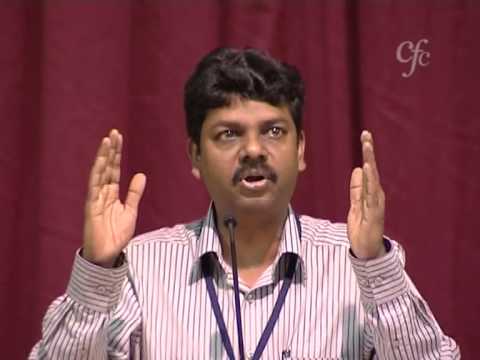 29m
29mAbiding In Love - Vincent
CFC India - Zac Poonen · Apr 23
 1h 1m
1h 1mA Church Of Overcomers - Zac Poonen
Zac Poonen · Apr 23
 1h 13m
God Loves Doing The Impossible - Santosh Poonen & Zac Poonen
Santosh Poonen · Apr 23
 1h 1m
1h 1mRevelation Of God As Our Father - Zac Poonen
Zac Poonen · Apr 23
 1h 1m
1h 1mDiscipleship And All That Jesus Taught - Zac Poonen
Zac Poonen · Apr 23
 45m
45mWhat God Expects Of Us - Prabahar
CFC India - Zac Poonen · Apr 23
 24m
24mTrembling At God's Word - Zac Poonen
Zac Poonen · Apr 23
 21m
21mTwo Repentances - Abraham Plammootil
Abraham Plammootil · Apr 23
 54m
54mThrough The Bible - English - 29 (Hosea & Joel) by Zac Poonen
Zac Poonen · Apr 10
 57m
57mThrough The Bible - English - 22 (Ecclesiastes) by Zac Poonen
Zac Poonen · Apr 10
 54m
54mThrough The Bible - English - 18 (Job-2) by Zac Poonen
Zac Poonen · Apr 10
 56m
56mThrough The Bible - English - 25 (Isaiah-2) by Zac Poonen
Zac Poonen · Apr 10
46mCFC India
God Shows His Way To Sinners - Zac Poonen (Telugu)
Zac Poonen · May 26, 2013 · 46m
God reveals the way of life primarily to sinners, not just the righteous, which offers hope to all. This revelation is contingent upon the individual having certain qualities, as illustrated by David's prayer in Psalm 25. The core message emphasizes that God will show His way when we acknowledge our sinfulness and humility, contrasting this with those who believe they are superior to others.
53mCFC India
transcribingHow God Blots Out Our Past Sins - Zac Poonen (Telugu)
Zac Poonen · May 26, 2013 · 53m
This message focuses on the transformative power of God's cleansing action regarding our past sins. It emphasizes that God has the ability to blot out our sins, leading to a new life in Christ. The core message encourages believers to live in the reality of this forgiveness.
54mCFC India
The Power Of The Spirit To Make Us Christ Like - Zac Poonen (Telugu)
Zac Poonen · May 26, 2013 · 54m
The central message is that when God is with us, it means we have the power to overcome sin and choose good over evil, not that we will be protected from physical suffering or sickness. The Holy Spirit empowers believers to walk like Jesus, who never sinned and was good to everyone, proving God's presence. This power allows us to choose love and avoid hatred, as God's love is poured into our hearts through the Spirit.
58mCFC India
United With Christ In His Resurrection - Zac Poonen (Telugu)
Zac Poonen · May 26, 2013 · 58m
The sermon emphasizes that true spiritual life comes not from mere knowledge of scripture or adherence to religious rules (the letter), but from being open to and guided by the Holy Spirit. The speaker uses examples from the Bible, such as Adam and Eve and the church in Laodicea, to illustrate that intellectual knowledge or outward religious activity can lead to spiritual death if pride is allowed to set in. Ultimately, believers must allow the Holy Spirit to convict them of sin rather than relying solely on their own understanding or study.
1h 0mCFC India
Lessons From Adam's Failure - Zac Poonen (Telugu)
Zac Poonen · May 26, 2013 · 1h 0m
The sermon uses the story of Adam's failure in the Garden of Eden to illustrate the contrast between life lived through obedience and life brought about by disobedience. The speaker emphasizes that everything beautiful and good in life comes only through obedience to God, contrasting the immediate obedience of creation in Genesis 1 with humanity's initial failure. Ultimately, the speaker points to the life of Jesus Christ as the ultimate example of perfect obedience.
55mCFC India
Getting God's Certificate, Not Man's - Zac Poonen (Telugu)
Zac Poonen · May 26, 2013 · 55m
The sermon emphasizes that true wisdom requires the ability to discern good from evil, comparing this to a child who cannot distinguish between mud and playthings. The speaker warns that spiritual immaturity prevents believers from recognizing what is truly good, citing examples like consuming inappropriate media or holding unforgiveness. The central message is that genuine growth is necessary to discern God's standard over man's, as only God is inherently good.
56mCFC India
Choosing The Good Always - Zac Poonen (Telugu)
Zac Poonen · May 26, 2013 · 56m
The sermon emphasizes that believers must constantly focus on Jesus Christ as the most important person present. Drawing from Amos 5:14, the core message is to 'seek good and not evil' to live, as God's presence is contingent upon this pursuit. The speaker contrasts the historical inability of many religious leaders to live according to God's will with Jesus's life, which demonstrated how to live righteously, establishing the Kingdom of Heaven here on earth within the church.
1h 1mCFC India
Youth Conference - Coming To God -3 by Zac Poonen
Zac Poonen · May 13, 2013 · 1h 1m
The speaker advises that just as lambs must learn to recognize the shepherd's voice, believers must actively seek fellowship with godly people until they can discern Christ's voice independently. He stresses the necessity of making difficult choices in relationships, warning that one must be willing to cut off relationships (like a hand or foot) that cause stumbling in the walk with the Lord, even if it means going against family or worldly ties. True discipleship requires a radical commitment to following Christ above all else.
47mCFC India
Youth Conference - Coming To God -2 by Zac Poonen
Zac Poonen · May 13, 2013 · 47m
The central message is that true Christian living requires abandoning the attitude that God or the church owes the believer something. Instead, one must approach God with profound gratitude, recognizing that they owe everything to Him. The speaker contrasts this with the prodigal son's entitlement, urging listeners to come to Christ as repentant thieves returning what rightfully belongs to Him, leading to a genuinely happy and useful Christian life.
45mCFC India
Youth Conference - Coming To God -1 by Zac Poonen
Zac Poonen · May 13, 2013 · 45m
The speaker advises young people that true spirituality comes not from knowledge or eloquence, but from adopting a proper Christian value system that guides one's life. He stresses the importance of being willing to look 'odd' and different from worldly peers to follow Jesus' narrow way. The message uses the parables of the lost sheep and the prodigal son to illustrate that safety and restoration come from remaining within fellowship and submitting to God's authority.
1h 2mCFC India
The True Grace Of God - (2 of 2) by Zac Poonen
Zac Poonen · Apr 29, 2013 · 1h 2m
The speaker argues that many Christians misunderstand the true scope of God's grace, focusing only on forgiveness of sin rather than its comprehensive nature. He explains that grace, symbolized by the seven colors of a rainbow, encompasses more than just pardon; it also brings victory over sin, leading to a life where sin cannot rule. To truly understand grace, one must acknowledge that all human understanding, including religious tradition, can be flawed and must submit to Scripture.
1h 0mCFC India
Jesus' Example In Ministry - Zac Poonen
Zac Poonen · Apr 23, 2013 · 1h 0m
The speaker emphasizes that Jesus' life provides the perfect model for how Christians should live, urging listeners to walk as He walked. He warns against the dishonesty within Christendom, where people are unwilling to confront biblical truths that challenge their current practices. Furthermore, he stresses that Christian leadership must be demonstrated through action, as one must practice what they preach, and that obedience to church leaders pertains only to church matters, not private life.
29mCFC India
Abiding In Love - Vincent
CFC Messages · Apr 23, 2013 · 29m
The sermon emphasizes that the core of Christian life is abiding in God's love, mirroring the unconditional love Christ showed, even to Judas. True discipleship requires a commitment to love others consistently, like Ruth loving Naomi until the end, and maintaining this love despite personal difficulty or disagreement. Ultimately, believers are called to live by God's grace and hope, recognizing that our ability to love perfectly comes from the Holy Spirit, not our own strength.
1h 1mCFC India
A Church Of Overcomers - Zac Poonen
Zac Poonen · Apr 23, 2013 · 1h 1m
The speaker emphasizes that the full purpose of God is not limited to personal piety but involves the church building itself. He argues that true understanding of the church must come from studying the New Testament concepts like 'fellowship' and 'worship in the spirit,' rather than relying on tradition or personal ideas. Ultimately, the speaker asserts that the saints, not the leaders, are responsible for building the body of Christ, citing Ephesians 4:11-12.
1h 13mCFC India
God Loves Doing The Impossible - Santosh Poonen & Zac Poonen
Santosh Poonen · Apr 23, 2013 · 1h 13m
God loves to display His glory, and He often achieves this by working in impossible or hopeless situations. The speaker emphasizes that whether God answers a prayer with 'yes' or 'no,' the ultimate goal is to manifest His glory, which is best seen through weakness. Therefore, believers should align their ambitions with God's goal of displaying His glory, recognizing the necessity of the Holy Spirit for accomplishing the impossible.
1h 1mCFC India
Revelation Of God As Our Father - Zac Poonen
Zac Poonen · Apr 23, 2013 · 1h 1m
The sermon emphasizes that understanding the full purpose of God requires recognizing that no single individual can manifest all of God's glory; this necessitates deep fellowship with the body of Christ. True knowledge of God and Jesus Christ, which defines eternal life, leads to a profound hatred of sin. The speaker argues that many believers are spiritually illiterate because they do not view sin—such as lust, gossip, or bitterness—with the seriousness they deserve, failing to grasp the gravity of Christ's sacrifice on the cross.
1h 1mCFC India
Discipleship And All That Jesus Taught - Zac Poonen
Zac Poonen · Apr 23, 2013 · 1h 1m
The speaker draws lessons from Paul's warning to the elders in Ephesus, emphasizing that true ministry requires declaring the 'whole purpose of God,' not just parts of it. He critiques modern evangelism for being shallow and overly reliant on human logic or psychology, arguing that genuine spiritual understanding comes from deep study of scripture and submission to the Holy Spirit's guidance, rather than clever reasoning. The core message is the necessity of comprehensive teaching to reflect the full glory of God.
45mCFC India
What God Expects Of Us - Prabahar
CFC Messages · Apr 23, 2013 · 45m
The speaker emphasizes that the Christian life requires a deep, unwavering faith that is not dependent on external circumstances or feelings. True belief is presented as a constant reliance on God, urging the audience to maintain this faith regardless of challenges. The core message revolves around sustaining this spiritual trust in God.
24mCFC India
Trembling At God's Word - Zac Poonen
Zac Poonen · Apr 23, 2013 · 24m
The speaker urges the audience to develop a deep reverence for God's word, comparing it to a fear greater than fear of law enforcement. He emphasizes that true discipleship requires pursuing peace with all people and sanctification, warning that without this, one cannot see the Lord. The message also touches on the necessity of acknowledging one's own degree of guilt in every conflict, no matter how much fault lies with another.
21mCFC India
Two Repentances - Abraham Plammootil
Abraham Plammootil · Apr 23, 2013 · 21m
The message centers on understanding 'repentance without regret,' which the Bible states comes from sorrow according to God, unlike the sorrow of the world. The speaker contrasts two biblical accounts involving women anointing Jesus with expensive perfume—one in Luke 7 involving a known sinner, and another in John 12 involving Mary, the sister of Lazarus. By analyzing the context of these two distinct stories, the speaker aims to clarify what true, Godly repentance looks like.
54mCFC India
Through The Bible - English - 29 (Hosea & Joel) by Zac Poonen
Zac Poonen · Apr 10, 2013 · 54m
The sermon uses the book of Hosea to illustrate the theme of spiritual adultery and God's enduring love. Spiritual unfaithfulness is equated with loving anything other than God—such as money, worldly honor, or pleasure—which constitutes idolatry. The core message is that true prophetic ministry requires experiencing God's heart through personal suffering, mirroring how God taught Hosea through a painful marriage. Ultimately, ministry effectiveness comes not just from knowledge, but from enduring trials that allow one to feel God's compassion.
57mCFC India
Through The Bible - English - 22 (Ecclesiastes) by Zac Poonen
Zac Poonen · Apr 10, 2013 · 57m
The speaker argues that while Solomon's wisdom is evident, Ecclesiastes demonstrates the futility of relying on human cleverness to find God. True wisdom, which is divine, is found through humility, exemplified by the childlike nature Jesus referenced. The core message is that intellectual prowess is useless in spiritual matters; one must lay aside human cleverness and approach God with a humble heart.
54mCFC India
Through The Bible - English - 18 (Job-2) by Zac Poonen
Zac Poonen · Apr 10, 2013 · 54m
The speaker uses the Book of Job as an illustration, noting that it deals with the individual rather than a nation. He emphasizes that criticism from fellow believers can be more painful and damaging than opposition from unbelievers. The sermon warns against speaking truth without proper motive, stressing that God judges the spirit behind our words, not just their outward correctness.
56mCFC India
Through The Bible - English - 25 (Isaiah-2) by Zac Poonen
Zac Poonen · Apr 10, 2013 · 56m
The speaker uses Isaiah chapters, particularly focusing on passages related to John the Baptist's ministry and the Second Coming, to teach that the church's role is to prepare people for Christ's return. Key themes include encouraging those in despair (valleys lifted up), humbling pride (mountains brought low), and emphasizing that while earthly glory fades like grass, the Word of God endures forever. Ultimately, the message calls believers to rely on God's immense sovereignty and power when they feel weak.