Library
Browse
Latest messages
575 messages
 1h 5m
1h 5mTHE TRUTH SHALL SET YOU FREE: 1.Freedom From Sin - Zac Poonen
Zac Poonen · Jul 21
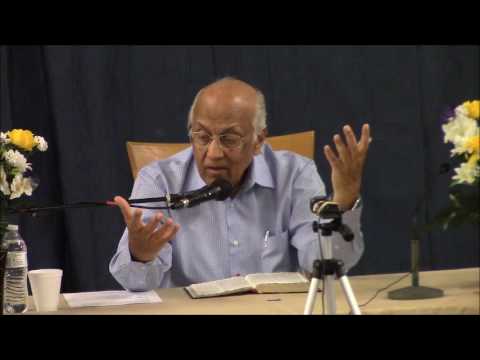 57m
57mAustin CFC 2016 - Zac Poonen conference - Session 1 -Fellowship with God and with one another
Zac Poonen · Jul 19
 33m
33m3. Justification And Sanctification By Zac Poonen
Zac Poonen · Jun 26
 1h 6m
1h 6mPresenting Our Body to the Lord - Zac Poonen - May 29, 2016
Zac Poonen · Jun 1
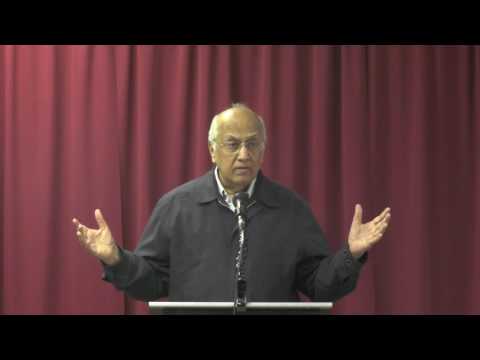 1h 30m
Fellowship - Another Mark Of Growth by Zac Poonen
Zac Poonen · May 23
 34m
34mThe Root Of Sin Is Self-Centredness - Zac Poonen (with Romanian Subtitles)
Zac Poonen · May 20
 1h 16m
Exhortation And Encouragement - Zac Poonen
Zac Poonen · Apr 27
 1h 32m
OVERCOMING SINS OF SEXUAL ADDICTION – Zac Poonen
Zac Poonen · Feb 15
 1h 59m
3rd January 2016 - Pilgrim's Progress - What We Learn From It - Zac Poonen
Zac Poonen · Jan 3
 1h 12m
SO GREAT A SALVATION: 3.The Power Of True Grace - Zac Poonen
Zac Poonen · Sep 22
 1h 1m
1h 1m5.Jesus Overcame In Weakness (Иисус победил в слабость) - Zac Poonen (Russian)
Zac Poonen · Sep 17
 1h 11m
Zac Poonen - The Spirit of grace - SPC7
Zac Poonen · Jun 7
 1h 1m
1h 1mUK Conference : Offering God That Which Is Costly - Zac Poonen
Zac Poonen · May 9
 24m
24mAll That Jesus Taught (Bible Study – 76 of 80) - Zac Poonen
Zac Poonen · Apr 22
 1h 3m
1h 3mCoimbatore Conference - 2015: Session - 4 - Zac Poonen
Zac Poonen · Apr 11
 25m
25mAll That Jesus Taught (Bible Study – 68 of 80) - Zac Poonen
Zac Poonen · Feb 27
 25m
25mAll That Jesus Taught (Bible Study – 65 of 80) - Zac Poonen
Zac Poonen · Feb 24
 25m
25mAll That Jesus Taught (Bible Study – 55 of 80) - Zac Poonen
Zac Poonen · Feb 19
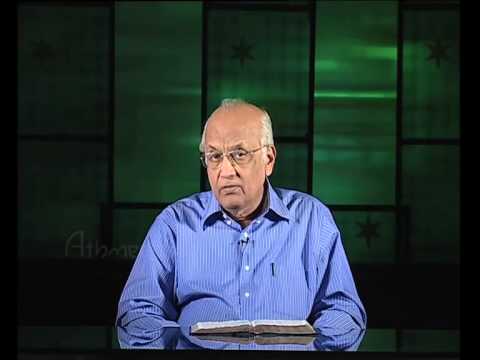 25m
25mAll That Jesus Taught (Bible Study – 54 of 80) - Zac Poonen
Zac Poonen · Feb 19
 25m
25mAll That Jesus Taught (Bible Study – 50 of 80) - Zac Poonen
Zac Poonen · Feb 17
 25m
25mAll That Jesus Taught (Bible Study – 48 of 80) - Zac Poonen
Zac Poonen · Feb 17
 25m
25mAll That Jesus Taught (Bible Study – 40 of 80) - Zac Poonen
Zac Poonen · Feb 12
 25m
25mAll That Jesus Taught (Bible Study – 28 of 80) - Zac Poonen
Zac Poonen · Feb 11
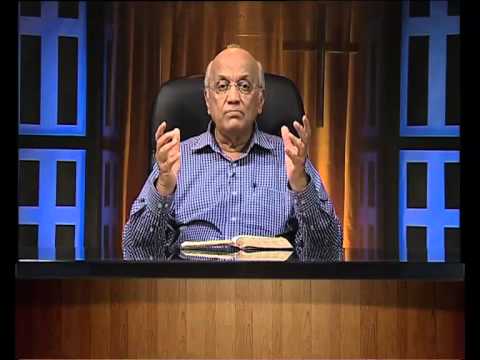 25m
25mAll That Jesus Taught (Bible Study – 25 of 80) - Zac Poonen
Zac Poonen · Feb 11
August 5 | Daily Devotion | Idolatry Is Spiritual Adultery | Zac Poonen
Zac Poonen · 10m · CFC Daily Devotions
Zac Poonen teaches that idolatry constitutes spiritual adultery against God, drawing a parallel between unfaithfulness in marriage and unfaithfulness in our devotion to God. The message calls believers to recognize idolatry in their lives and turn from it in repentance to restore their relationship with God.
1h 5mCFC India
THE TRUTH SHALL SET YOU FREE: 1.Freedom From Sin - Zac Poonen
Zac Poonen · Jul 21, 2016 · 1h 5m
The speaker emphasizes that the Bible is the sole, authoritative word of God, contrasting it with teachings from parents or established churches. He recounts his personal journey from an Orthodox background to realizing the necessity of being 'born again' through the Bible. The central message is that true knowledge of God's truth, including warnings about hell and the path to salvation, comes only from reading and believing the Bible, as exemplified by the rich man's conversation with Abraham in Luke 16.
57mAustin Christian Fellowship Church (ACFC)
Austin CFC 2016 - Zac Poonen conference - Session 1 -Fellowship with God and with one another
Zac Poonen · Jul 19, 2016 · 57m
The speaker argues that many Christians focus only on forgiveness for heaven rather than living out the 'life of God' on Earth. He uses the analogy of Israel's journey—from Egypt (unbelievers) to the Wilderness (relying solely on past cleansing) and finally to Canaan (the New Covenant)—to illustrate spiritual progress. True fellowship and building the Body of Christ require moving beyond the endless cycle of sinning and repenting, which is necessary for overcoming sin.
33mNCCF Church
3. Justification And Sanctification By Zac Poonen
Zac Poonen · Jun 26, 2016 · 33m
The speaker distinguishes between justification (being accepted by Christ) and sanctification (growth in holiness), using the analogy of a building's foundation and superstructure. While justification is a free gift of God's grace, sanctification requires actively living out good works. True Christian life demands radical repentance—a 180-degree turn from sin—and maintaining this commitment by discerning friendships that pull one toward Christ versus those that pull one back to the world.
1h 6mRiver of Life Christian Fellowship
Presenting Our Body to the Lord - Zac Poonen - May 29, 2016
Zac Poonen · Jun 1, 2016 · 1h 6m
The sermon draws parallels between Old Testament events—such as the Passover blood, the crossing of the Red Sea, and the pillar of cloud—and New Testament realities, specifically baptism and the baptism in the Holy Spirit. The central message is that the human body is like the Promised Land of Canaan, which must be possessed by believers to overcome 'giants' representing sins like anger, jealousy, and lust. While the Old Man is defeated by God on the cross, believers must actively crucify the 'lusts of the flesh' through the Spirit's power, adopting the courageous spirit of Joshua and Caleb.
1h 30mNCCF Church
Fellowship - Another Mark Of Growth by Zac Poonen
Zac Poonen · May 23, 2016 · 1h 30m
The primary mark of spiritual growth is increasing humility, which must be before God, not merely for human reputation. True humility is evidenced by obedience to God's will, as God gives grace to the humble but resists the proud. The speaker emphasizes that sinning proves one is not under grace, and spiritual growth is a progression of overcoming sin in thought, word, deed, attitude, and motive.
34mCFC India
The Root Of Sin Is Self-Centredness - Zac Poonen (with Romanian Subtitles)
Zac Poonen · May 20, 2016 · 34m
The core sin is not specific actions but self-centeredness, which is the root that must be addressed for true salvation. Holiness is achieved when Christ becomes the center of one's life, rather than the self. Repentance, therefore, means turning from a life centered on self to one centered on Jesus Christ.
1h 16mCFC India
Exhortation And Encouragement - Zac Poonen
Zac Poonen · Apr 27, 2016 · 1h 16m
The speaker cautions against taking scripture out of its proper context, warning that the devil often splits verses to present only the 'promise' while omitting the necessary 'condition.' He emphasizes that true understanding requires quoting the entire scripture, not just memorable phrases. The core message is to study the whole Bible to avoid deception and maintain a full understanding of God's word.
1h 32mCFC India
OVERCOMING SINS OF SEXUAL ADDICTION – Zac Poonen
Zac Poonen · Feb 15, 2016 · 1h 32m
The speaker addresses men specifically regarding the intense temptations related to sexual desire, emphasizing that while God designed this desire, it is not essential for life. He advises that the best way to conquer these urges is not solely through marriage, but by actively fighting and conquering them while young through a passion for Christ and the Holy Spirit. Furthermore, he stresses the importance of guarding one's mind by avoiding impure media, noting that Jesus was tempted in all areas, including sexuality, proving our ability to overcome through Him.
1h 59mCFC Bangalore Live
3rd January 2016 - Pilgrim's Progress - What We Learn From It - Zac Poonen
Zac Poonen · Jan 3, 2016 · 1h 59m
The sermon uses John Bunyan's *Pilgrim's Progress* to illustrate the seriousness of sin and the necessity of salvation through Christ. It emphasizes that true conviction about sin leads one to follow the narrow path to salvation, even when mocked by family and friends. The message warns against those who approach salvation lightly, comparing them to 'Compromiser,' who lacks the deep burden of sin.
1h 12mCFC India
SO GREAT A SALVATION: 3.The Power Of True Grace - Zac Poonen
Zac Poonen · Sep 22, 2015 · 1h 12m
The sermon emphasizes that true grace is more than just forgiveness; it requires understanding the profound cost of sin and the sacrifice of Christ. The speaker warns against seeking the approval of men, calling it idolatry, and stresses that sin is far more serious than minor offenses. Ultimately, believers must grasp the immense value of Christ's blood, recognizing that willfully sinning after knowing the truth is a grave matter.
1h 1mCFC India
5.Jesus Overcame In Weakness (Иисус победил в слабость) - Zac Poonen (Russian)
Zac Poonen · Sep 17, 2015 · 1h 1m
The sermon explains that the Old Testament serves as a shadow pointing toward fulfillment in the New Testament, using examples like the Sabbath and tithes to teach obedience to God. It emphasizes two key spiritual journeys: the Exodus from Egypt (representing freedom from sin/the world) and the subsequent departure from Babylon (representing freedom from legalism and empty traditions). True Christian life requires a complete separation from the world's systems, making the spiritual battle against Satan the primary focus.
1h 11mNCCF Church
Zac Poonen - The Spirit of grace - SPC7
Zac Poonen · Jun 7, 2015 · 1h 11m
The central message is that the fear of the Lord is the primary guard against sin, even more reliably than spiritual gifts or knowledge. The speaker uses examples like Joseph and Job to illustrate that a deep reverence for God compels one to live blamelessly. He urges listeners to develop a strong moral backbone, prioritizing conscience and eternal accountability over temporary gains or worldly pressures.
1h 1mCFC Bangalore Live
UK Conference : Offering God That Which Is Costly - Zac Poonen
Zac Poonen · May 9, 2015 · 1h 1m
The speaker analyzes the offerings of Cain and Abel to teach that God accepts the person's heart, not just the physical offering. He emphasizes that God's regard was for Abel, not his offering, pointing out that true acceptance requires settling relationships with others first. Ultimately, the quality of the offering reflects the heart's condition, which is what God sees.
24mCFC India
All That Jesus Taught (Bible Study – 76 of 80) - Zac Poonen
Zac Poonen · Apr 22, 2015 · 24m
The sermon analyzes Jesus' teachings through his life and words, focusing on examples like Peter's denial and Jesus' silence before Pilate. The speaker emphasizes that true repentance must be directed only to God, not to religious leaders. Furthermore, he advises Christians to follow Jesus' example by remaining silent when falsely accused by fellow believers or religious figures.
1h 3mCFC Bangalore Live
Coimbatore Conference - 2015: Session - 4 - Zac Poonen
Zac Poonen · Apr 11, 2015 · 1h 3m
The message emphasizes that a Christian's life must be the opposite of the world's sin, as described in Romans 3:10-18. A core teaching point is that God looks at the heart, not the outward appearance, meaning unconfessed sin will prevent God from hearing prayer. Furthermore, unanswered prayer can stem from either unconfessed sin or a lack of faith in God's ability to answer.
25mCFC India
All That Jesus Taught (Bible Study – 68 of 80) - Zac Poonen
Zac Poonen · Feb 27, 2015 · 25m
The central message is that true righteousness comes from cleaning the inner life before focusing on external appearances, using the analogy of cleaning the inside of a cup. The speaker contrasts the temporary nature of adherence to law (like an ointment) with the permanent healing found in grace, emphasizing that one must address the root problem internally. He warns against hypocrisy, comparing outwardly beautiful tombs to inwardly corrupt hearts.
25mCFC India
All That Jesus Taught (Bible Study – 65 of 80) - Zac Poonen
Zac Poonen · Feb 24, 2015 · 25m
The central message is that standing before God requires clothing oneself only in the righteousness of Christ, not in personal achievements or self-righteousness. The speaker emphasizes the difference between forgiveness (dealing with past sins) and justification (being clothed in Christ's righteousness). He warns against boasting in personal piety and stresses that true spiritual equality is found in accepting the free garment of Christ's righteousness, regardless of one's spiritual seniority or history with the faith.
25mCFC India
All That Jesus Taught (Bible Study – 55 of 80) - Zac Poonen
Zac Poonen · Feb 19, 2015 · 25m
The speaker discusses Jesus' teachings, focusing on the danger of hypocrisy, which he compares to the leaven of the Pharisees. He warns that outward appearance of piety can mask internal emptiness, making hypocrisy more dangerous than physical lack. The message emphasizes that spiritual integrity and freedom from hypocrisy are more vital than material provision or even physical sustenance.
25mCFC India
All That Jesus Taught (Bible Study – 54 of 80) - Zac Poonen
Zac Poonen · Feb 19, 2015 · 25m
Jesus taught that what defiles a person comes not from what enters the mouth, but from what proceeds out of the heart, such as evil thoughts, lusts, and slander. The speaker urges listeners to be more careful about spiritually defiling things—like what they read or see—than about physical sickness. True spirituality is marked by a greater fear of sin than of physical illness.
25mCFC India
All That Jesus Taught (Bible Study – 50 of 80) - Zac Poonen
Zac Poonen · Feb 17, 2015 · 25m
The sermon analyzes the parables of the tares and the mustard seed, emphasizing that the field in the parable refers to the world, not the church. Jesus taught that the separation of wheat and tares will occur at the end of the age by angels, but the church must maintain purity by disciplining those who live in sin. The mustard seed parable is interpreted not as a picture of the church, but as a seed growing into a large, artificial-seeming tree.
25mCFC India
All That Jesus Taught (Bible Study – 48 of 80) - Zac Poonen
Zac Poonen · Feb 17, 2015 · 25m
Jesus taught that a person's true nature, or the contents of their heart, will inevitably manifest through their words, as the mouth is the overflow valve of the heart. The speaker emphasizes that true Christlikeness requires more than just being gracious; it demands firmness and the willingness to speak truth, even when confronting sin. Furthermore, he stresses that every careless word will be accounted for at the judgment, meaning accountability extends beyond just sins against God to include sins against other people.
25mCFC India
All That Jesus Taught (Bible Study – 40 of 80) - Zac Poonen
Zac Poonen · Feb 12, 2015 · 25m
The sermon continues studying Matthew, focusing on the persecution faced by true disciples, who will be hated by the world, even by family. The speaker emphasizes that true discipleship requires standing for the truth, even when unpopular, and warns against false teachings that minimize sin. Ultimately, the message urges the audience not to fear anything because God is sovereign, and if we fear God, we need fear nothing else.
25mCFC India
All That Jesus Taught (Bible Study – 28 of 80) - Zac Poonen
Zac Poonen · Feb 11, 2015 · 25m
The sermon emphasizes that Jesus' teachings, particularly in the Sermon on the Mount, demand a narrow path of discipleship that requires radical obedience regarding sin, anger, and lust. The speaker warns against modern interpretations that dilute scripture or widen the gate, cautioning that true Christianity requires taking Jesus' words seriously rather than merely appearing religious. He concludes by warning against false prophets who teach that the commands of scripture are optional.
25mCFC India
All That Jesus Taught (Bible Study – 25 of 80) - Zac Poonen
Zac Poonen · Feb 11, 2015 · 25m
The sermon reviews the nine wrong attitudes Jesus warned against, focusing specifically on judging and condemning others. The speaker argues that judging is premature because we do not know the full story, the hidden things in darkness, or the true motives of people's hearts. Ultimately, judging others reveals more about our own flawed hearts than it does about the person being judged.